


How to best treat a throat abscess
Nov 28, 2025
Source: Cainiu Health

Dr. Lu Cheng
Introduction
Treatment for a throat abscess includes medication, needle aspiration and drainage, surgical incision, symptomatic support, and addressing the underlying cause. Timely and proper intervention can effectively control the condition. Seek immediate medical attention if symptoms such as persistent high fever, difficulty breathing, or worsening swallowing problems occur. The key is to follow medical advice and use adequate doses of appropriate antibiotics to control the infection.
When there is a throat abscess, treatment methods such as medication, needle aspiration and drainage, surgical incision, symptomatic support, and etiological treatment should be adopted. Timely and standardized intervention can effectively control the condition. If symptoms such as persistent high fever, difficulty breathing, or worsening swallowing difficulties occur, immediate medical attention is required.
1. Medication: The key is to use adequate and sensitive antibiotics according to medical advice to control infection. Anti-inflammatory drugs may be used in combination if necessary to reduce local inflammatory response. It is essential to strictly follow the full course of treatment and avoid stopping medication prematurely, which could lead to residual or recurrent infection, ensuring complete eradication of the infection.
2. Needle Aspiration and Drainage: This method is suitable when pus has already formed within the abscess. Performed by trained healthcare professionals, it involves using a needle to aspirate the pus, rapidly reducing pressure in the affected tissues and relieving discomfort such as throat pain and swelling. This creates favorable conditions for subsequent treatments, with strict adherence to sterile techniques during the procedure.
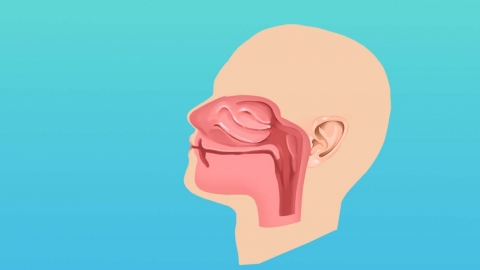
3. Surgical Incision: For patients with large abscesses, thick pus, or poor response to needle drainage, surgical incision and drainage are required. Standard surgical procedures allow complete evacuation of pus and removal of infected tissue, promoting wound healing. Postoperative care must be strengthened to prevent secondary infections.
4. Symptomatic Support: For patients with fever, physical cooling methods or antipyretic medications prescribed by a doctor can be used. Adequate fluid intake should be maintained, along with consumption of nutritious foods. Sufficient rest is essential to reduce physical strain and enhance immune function, supporting recovery from illness.
5. Etiological Treatment: Actively identify underlying conditions such as tonsillitis or sinusitis that may have triggered the throat abscess, and treat these root causes accordingly. Eliminating local sources of infection reduces the risk of abscess recurrence. Attention should also be given to mucosal repair in the affected area to minimize the likelihood of future infections.
In daily life, maintain good oral hygiene by performing gentle mouth rinsing regularly. Choose warm, cool, easily digestible liquid or semi-liquid foods, and avoid spicy, hard, or hot foods that may irritate the throat. Reduce speaking frequency to allow the pharynx adequate rest, maintain regular sleep patterns, avoid fatigue, and promote healing of throat tissues.



