


What should I do if my nose becomes dry and bleeds in the north?

Nose dryness and bleeding when traveling to northern regions can be managed by increasing environmental humidity, moisturizing the nasal cavity locally, avoiding nasal irritation, applying proper first-aid for bleeding, and maintaining adequate body hydration. The dry climate in northern areas easily damages the nasal mucosa; timely protection can reduce the risk of nosebleeds. If nosebleeds occur frequently, involve heavy bleeding that is difficult to stop, or are accompanied by symptoms such as dizziness or nasal congestion, prompt medical attention is recommended.
1. Increase environmental humidity: Use a humidifier to raise indoor humidity, ideally maintaining it between 50% and 60%. Alternatively, place basins of water indoors or hang damp clothes to dry, helping to alleviate the irritation caused by dry air on the nasal mucosa.
2. Moisturize the nasal cavity locally: Use saline nasal sprays or drops daily to moisten the nasal mucosa and clear secretions. Applying medical-grade petroleum jelly inside the nostrils can also help reduce moisture loss and support repair of the mucosal barrier.
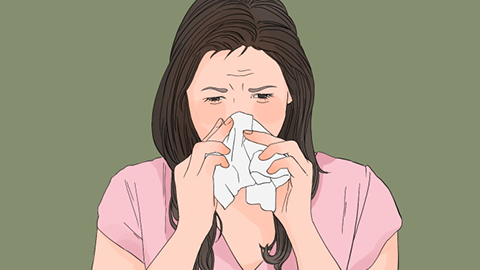
3. Avoid nasal irritation: Refrain from picking your nose or blowing it too forcefully to prevent damaging the delicate blood vessels in the nasal mucosa. Minimize exposure to dust, smoke, and other pollutants; wear a mask outdoors for added protection.
4. Proper first-aid for bleeding: When a nosebleed occurs, lean forward slightly and pinch both sides of the nose firmly for 10–15 minutes while breathing through your mouth. Avoid tilting your head backward, which may cause blood to flow into the throat and lead to coughing or vomiting.
5. Maintain body hydration: Drink sufficient water daily and consume fresh fruits and vegetables rich in vitamin C and vitamin E to strengthen the resistance of the nasal mucosa and combat dryness from within.
Adopt healthy daily habits: maintain a regular sleep schedule to avoid dehydration from lack of sleep; avoid washing your face with excessively hot water to reduce thermal irritation to the nasal mucosa; clean your nasal passages regularly to keep the mucosa moist and clean, gradually adapting to the dry climate of northern regions.


