


Long-term cracking and peeling of the skin under the nose and nostrils

Long-term cracking and peeling at the nostrils may be caused by dry environments, local friction, seborrheic dermatitis, contact dermatitis, or nasal vestibulitis. Symptoms can be improved through moisturizing care, minimizing irritation, and medical treatment. Seek prompt medical attention if cracks deepen, bleed, or are accompanied by itching and swelling.
1. Dry environment: Low air humidity or insufficient water intake can lead to moisture loss in the skin around the nostrils, causing the stratum corneum to dry out, flake, and crack. It is recommended to use a humidifier to increase ambient humidity, drink sufficient warm water daily, and apply a non-irritating moisturizing cream locally.
2. Local friction: Frequent nose-rubbing, forceful nose-blowing, or using rough tissues can repeatedly irritate the skin of the nostrils, leading to damage and peeling. It is advised to minimize nose-rubbing, blow the nose gently, and use soft tissues or cotton swabs for cleaning.
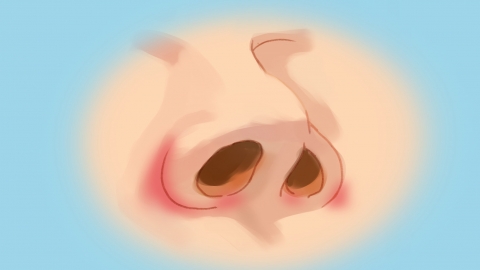
3. Seborrheic dermatitis: The area around the nostrils is rich in sebaceous glands; abnormal sebum secretion combined with microbial imbalance can trigger inflammation, manifesting as redness, scaling, and fissures, possibly accompanied by mild itching. Under medical guidance, topical medications such as tacrolimus ointment, vitamin B6 cream, or ketoconazole cream may be used to relieve symptoms.
4. Contact dermatitis: Allergic reactions caused by exposure to pollen, dust mites, or irritating cosmetics and skincare products can result in localized skin inflammation, presenting as redness, swelling, peeling, and cracking, often with noticeable itching. Patients may use calamine lotion, desonide cream, or loratadine syrup under medical supervision to alleviate discomfort.
5. Nasal vestibulitis: Infection of the nasal vestibule due to nasal discharge irritation or finger-picking can cause inflammatory changes including thickened skin, scaling, and fissures, often painful upon touch. As directed by a physician, treatments such as erythromycin ointment, mupirocin ointment, or physiological seawater nasal spray can help improve symptoms.
Maintain cleanliness around the nostrils, avoid picking or peeling off flaking skin with fingers, choose gentle skincare products, eat a light diet rich in fruits and vegetables, and avoid spicy or irritating foods to support skin healing.


