


What causes blisters in the throat, and how should they be treated?

Blisters in the throat may result from dietary irritation, overuse of the voice, herpangina, acute pharyngitis, or oral herpes. Symptoms can be improved by adjusting diet, resting the vocal cords, and medication. If the blisters increase, pain worsens, or fever develops, prompt medical attention is necessary.
1. Dietary irritation: Consuming spicy or excessively hot foods regularly, or frequent alcohol consumption, can irritate the throat's mucous membrane, causing local congestion and swelling that leads to small blisters, often accompanied by a burning sensation. It is recommended to eat a light diet with soft, easily digestible fruits and vegetables, and avoid spicy, hot foods, and alcohol.
2. Overuse of the voice: Prolonged loud talking or singing can fatigue and damage the throat's mucous membrane, resulting in fluid leakage and blister formation, often accompanied by hoarseness and dryness. Reduce vocal use, allow the vocal cords adequate rest, and drink plenty of warm water to soothe the throat.
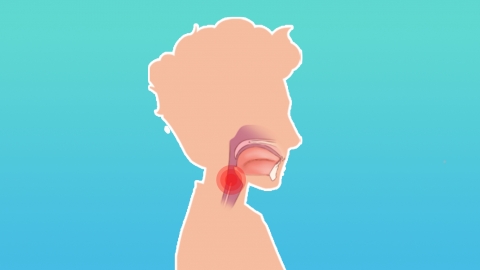
3. Herpangina: Caused by viral infection leading to inflammation of the throat's mucous membrane, characterized by scattered or clustered small blisters. These blisters rupture to form ulcers, accompanied by sore throat, fever, and difficulty swallowing. Under medical guidance, patients may use medications such as ribavirin granules, KAIHOUJIAN spray, or Pudilan anti-inflammatory oral liquid to relieve symptoms.
4. Acute pharyngitis: Bacterial or viral infections cause acute inflammation of the throat's mucous membrane, resulting in redness, swelling, and blister formation, along with sore throat, cough, and a sensation of a foreign body in the throat. Under medical guidance, medications such as amoxicillin capsules, watermelon frost lozenges, or compound borax mouthwash may be used to alleviate discomfort.
5. Oral herpes: Infection of the oral and pharyngeal mucosa by the herpes simplex virus causes clusters of small blisters, significant pain, redness, and swelling of the oral mucosa, affecting eating. Patients should follow medical advice to use acyclovir cream, famciclovir capsules, or Kangfuxin liquid to improve symptoms.
Maintain good oral hygiene by rinsing with a gentle mouthwash morning and night. Drink plenty of water to keep the throat moist, avoid touching the blisters with hands, and consume lukewarm, easily digestible foods to minimize irritation and support mucosal healing.


