


What are the symptoms of sinusitis and how is it treated?

Sinusitis symptoms include nasal congestion, purulent nasal discharge, headache, reduced sense of smell, facial pressure or pain, and others. Treatment options include anti-infective therapy, nasal irrigation, intranasal corticosteroids, mucolytics and mucous drainage promoters, and surgical intervention—treatment plans should be selected based on the severity of the condition. If symptoms persist for more than two weeks or worsen, prompt medical consultation is recommended.
1. Symptoms of Sinusitis
1. Nasal congestion: Persistent blockage in one or both nasal passages due to mucosal congestion and swelling, leading to impaired breathing. Symptoms may worsen when lying down at night.
2. Purulent nasal discharge: Discharge of thick yellow-green or yellow pus from the nose that is difficult to blow out. Some patients may notice blood-tinged mucus.
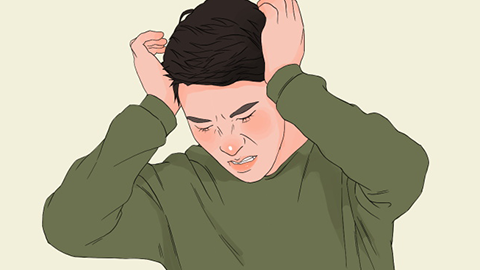
3. Headache: The location of the headache varies depending on which sinus is infected. Pain is typically dull or pressure-like and may intensify with bending over or changes in head position due to pressure shifts.
4. Reduced sense of smell (hyposmia): Swelling of the nasal mucosa or blockage of the olfactory area by pus can impair the ability to detect odors. Some patients may also experience diminished taste.
5. Facial pressure or pain: Aching or discomfort in areas corresponding to the sinuses—such as the forehead, cheeks, or around the eyes—may occur and can increase with palpation.
2. Treatment of Sinusitis
1. Anti-infective therapy: When bacterial infection is present, antibiotics should be taken as prescribed by a physician, in adequate dosage and for the full course, to control inflammation and prevent progression to chronic sinusitis.
2. Nasal irrigation: Use of normal saline or seawater-based solutions to rinse the nasal cavity, helping remove purulent secretions and allergens, reduce mucosal swelling, and improve airflow.
3. Intranasal corticosteroids: Local application via nasal spray to reduce inflammation in the nasal and sinus mucosa, alleviating symptoms such as nasal congestion and runny nose. Proper usage according to instructions is essential.
4. Mucolytics and mucous drainage promoters: Oral medications that help thin thick nasal secretions, promote drainage, relieve sinus pressure, and reduce headache discomfort.
5. Surgical treatment: For cases unresponsive to medication, severe impairment of sinus drainage, or those complicated by nasal polyps, endoscopic sinus surgery may be performed to open blocked sinuses and improve drainage.
In daily life, maintain nasal hygiene, avoid forceful nose-blowing, minimize intake of spicy, irritating foods as well as tobacco and alcohol, drink plenty of water, follow a light diet, maintain regular sleep patterns to strengthen immunity, and prevent colds that may trigger recurrent sinusitis.


