


What causes a lump of tissue to protrude in the tonsil fossa, and what should be done about it?

A fleshy mass protruding in the tonsillar fossa may result from physiological tonsil hypertrophy, lymphoid tissue hyperplasia, acute tonsillitis, chronic tonsillitis, or tonsillar polyps. Improvements can be achieved through dietary adjustments, habit modifications, and medication. If the mass continues to grow or is accompanied by pain, fever, or other symptoms, prompt medical attention is necessary.
1. Physiological tonsil hypertrophy: This occurs due to natural tonsillar tissue proliferation, either congenitally or during puberty. There are usually no significant discomforts—only a ball-like bulge visible in the tonsillar fossa. It is recommended to maintain good oral hygiene, avoid frequent throat irritation, eat a light diet, and reduce intake of spicy foods.
2. Lymphoid tissue hyperplasia: Repeated minor irritation of the throat can lead to compensatory hyperplasia of lymphoid tissue within the tonsillar fossa, forming small fleshy nodules. These are typically painless but may cause a mild sensation of a foreign body. It is advised to avoid irritants such as dust and smoke, drink plenty of water, and maintain regular sleep patterns to boost immunity.
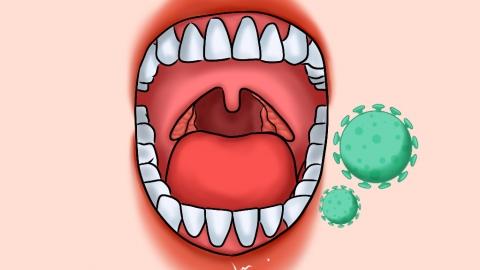
3. Acute tonsillitis: Caused by bacterial or viral infection leading to inflammation, the tonsils become congested, swollen, and appear as fleshy masses, often accompanied by severe sore throat, difficulty swallowing, and fever. It is recommended to take medications such as cefixime dispersible tablets, Pudilan anti-inflammatory oral liquid, and ibuprofen suspension under medical guidance to relieve symptoms.
4. Chronic tonsillitis: Results from repeated episodes of acute inflammation becoming chronic. The tonsillar tissue becomes hyperplastic and enlarged, forming a ball-like protrusion, often associated with a persistent sensation of a foreign body in the throat, bad breath, and occasional sore throat. Patients may use amoxicillin capsules, Qinghou Liyan granules, or compound chlorhexidine mouthwash under a doctor’s supervision to alleviate symptoms.
5. Tonsillar polyp: Long-term inflammatory stimulation causes mucosal hyperplasia of the tonsils, forming a polyp that appears as a single soft mass in the tonsillar fossa. It may be associated with mild sore throat or a sensation of a foreign body. Patients can follow medical advice to use medications such as cefaclor capsules, Lanqin oral liquid, and watermelon frost lozenges to relieve discomfort.
Maintain oral hygiene by brushing teeth morning and night and rinsing the mouth after meals. Eat a light, easily digestible diet, drink plenty of water to prevent throat dryness, avoid irritants, and engage in moderate exercise to support throat health and reduce discomfort.


