


How to quickly reduce swelling and relieve pain for a sore throat

Swollen and painful throat may result from excessive voice use, irritation from spicy foods, acute pharyngitis, acute tonsillitis, herpangina, or other causes. Symptoms can be improved through vocal rest, dietary adjustments, and medication. If the pain is severe or accompanied by fever or difficulty swallowing, prompt medical attention is necessary.
1. Excessive voice use: Prolonged talking or loud shouting can cause congestion and swelling of the throat mucosa, leading to pain that worsens during speech. It is recommended to reduce talking to allow vocal cords to rest, drink plenty of warm water to soothe the throat, and avoid loud yelling.
2. Irritation from spicy diet: Consuming excessive spicy foods such as chili peppers or Sichuan pepper can irritate the throat mucosa, triggering an inflammatory response with symptoms including swelling, pain, and a burning sensation. A light, liquid-rich diet is advised; avoid spicy and greasy foods. Gargling with warm salt water can help relieve discomfort.
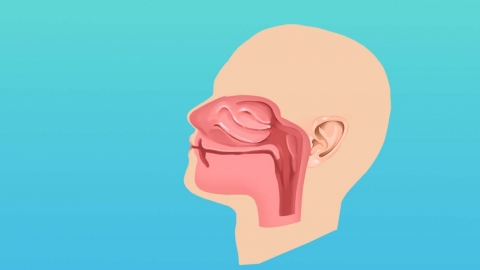
3. Acute pharyngitis: Viral or bacterial infection causes acute inflammation of the pharyngeal mucosa, resulting in redness, swelling, severe sore throat, and hoarseness. Under a doctor's guidance, patients may take medications such as amoxicillin capsules, Pudilan anti-inflammatory oral liquid, or Xigua霜 (watermelon frost) lozenges to alleviate symptoms.
4. Acute tonsillitis: Infection-induced inflammation of the tonsils leads to redness, swelling, and significant throat pain, which worsens during swallowing and may be accompanied by fever. It is recommended to use medications such as cefixime dispersible tablets, ibuprofen sustained-release capsules, and compound chlorhexidine mouthwash under medical supervision to relieve symptoms.
5. Herpangina: Caused by enterovirus infection, this condition results in blisters in the pharynx, leading to sore throat, fever, and intensified pain after oral blisters rupture. Patients may follow medical advice to use ribavirin granules, acetaminophen suspension, and Kehoujian spray to improve symptoms.
Maintain indoor ventilation and humidity, drink plenty of water to stay hydrated, avoid smoking and exposure to irritating gases, maintain regular sleep patterns without staying up late, and strengthen immunity to support recovery.


