


What causes frequent redness and allergic reactions around the mouth?

Generally, persistent redness and allergic reactions around the mouth may be caused by contact irritation, improper diet, contact dermatitis, perioral dermatitis, or seborrheic dermatitis spreading to the area. It is recommended to seek medical attention promptly, identify the underlying cause, and receive appropriate treatment under a doctor's guidance. Specific analyses are as follows:
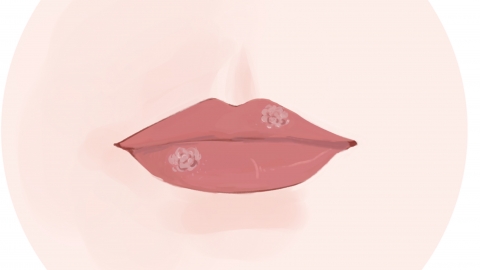
1. Contact irritation: Frequent use of lipsticks or toothpaste containing alcohol, or habitual lip-licking, can irritate the skin around the mouth and trigger redness and allergic reactions. Immediately discontinue suspected skincare products and toothpaste, switch to fragrance-free, non-irritating lip care products, and avoid licking the lips.
2. Diet-induced reactions: Consuming allergenic fruits such as mangoes and pineapples, or spicy and hot foods that irritate the skin around the mouth, may lead to redness and allergic reactions. Avoid known allergenic foods, use a spoon when eating to minimize food contact with the skin around the mouth, and clean the area thoroughly after meals.
3. Contact dermatitis: Exposure to allergens such as metal utensils or cosmetic ingredients can trigger inflammatory reactions in the skin around the mouth, resulting in redness and itching. Patients should follow medical advice to use medications such as cetirizine hydrochloride tablets, loratadine capsules, or calamine lotion, and avoid re-exposure to identified allergens.
4. Perioral dermatitis: Long-term use of fluoride-containing toothpaste or topical corticosteroid creams may lead to red papules and erythematous patches around the mouth, accompanied by mild scaling. Patients should follow medical recommendations to use tacrolimus ointment, pimecrolimus cream, or vitamin B6 ointment, and switch to fluoride-free toothpaste.
5. Seborrheic dermatitis extension: Overactive sebaceous glands can cause seborrheic dermatitis, with inflammation spreading to the perioral area, presenting as light red patches with greasy scales. Patients should use medications such as ketoconazole cream, miconazole and clobetasol cream, or compound vitamin B tablets as directed by a physician, and keep the perioral area clean and dry.
Maintain a light diet in daily life and consume more fresh fruits and vegetables to supplement vitamins. Keep a regular sleep schedule, avoid staying up late to enhance skin resistance. Apply a gentle lip balm when the skin around the mouth feels dry, avoid scratching and excessive cleansing, to reduce recurrence of redness and allergic reactions.


