


What causes red rashes on the body during summer?

Generally, red rashes appearing on the body during summer may be caused by factors such as sun exposure irritating the skin, sweat blocking pores, solar dermatitis, cholinergic urticaria, or folliculitis. It is recommended to seek medical attention promptly, identify the underlying cause, and receive appropriate treatment under a doctor's guidance. Specific analyses are as follows:
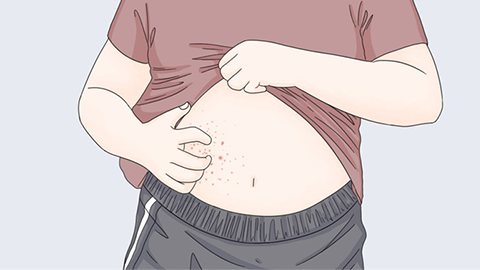
1. Sun exposure irritating the skin: Intense ultraviolet (UV) radiation in summer can irritate exposed skin, causing capillary dilation and resulting in red rashes. Immediately move to a shaded area and apply a cold towel compress to the affected area for 15 minutes. Apply high-SPF sunscreen and wear sun-protective clothing and hats when going outdoors.
2. Sweat blocking pores: Excessive sweating can lead to poor sweat drainage, blocking sweat ducts and triggering inflammation, which results in red, pimple-like rashes. Take a warm shower promptly, use light and non-irritating bath products, wear breathable, sweat-absorbing cotton clothing, and avoid prolonged accumulation of sweat on the skin.
3. Solar dermatitis: This occurs due to UV allergy, leading to red rashes, burning sensation, and itching after sun exposure. Patients should follow medical advice to use medications such as cetirizine hydrochloride tablets, calamine lotion, and compound menthol ointment, and avoid going outdoors during peak sunlight hours.
4. Cholinergic urticaria: When body temperature rises due to heat or physical activity, cholinergic nerves become overactive, causing red wheals accompanied by itching. Patients should take medications such as loratadine capsules, ebastine tablets, and hydrocortisone butyrate cream as prescribed, and reduce intense physical exercise.
5. Folliculitis: The hot and humid conditions in summer promote bacterial growth, leading to follicular infections and red inflammatory rashes. Patients should use medications such as mupirocin ointment, fusidic acid cream, and cefaclor capsules as directed by a physician, and avoid scratching to prevent spreading the infection.
Maintain a light, non-spicy diet and drink plenty of warm water to stay hydrated. Keep indoor areas well-ventilated and cool, and use a dehumidifier to control humidity. Follow a regular sleep schedule to boost immunity, choose gentle skincare products, and reduce the likelihood of developing skin rashes in summer.


