


Why do my arms turn red when the weather gets hot?

Generally, redness in the arms when the weather gets hot may be caused by blood vessel dilation for heat dissipation, sweat irritation, solar dermatitis, cholinergic urticaria, or aggravated folliculitis. It is recommended to seek medical attention promptly, identify the underlying cause, and receive appropriate treatment under a doctor's guidance. Specific analyses are as follows:
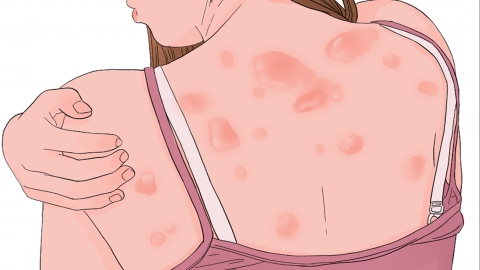
1. Blood vessel dilation for heat dissipation: In hot weather, blood vessels in the arm skin naturally dilate to increase blood flow and dissipate heat, causing skin redness. Moving into a cool environment and applying a damp towel to the arms can help constrict blood vessels. Avoid prolonged exposure to high temperatures.
2. Sweat irritation: After heavy sweating, residual salts and metabolic waste in sweat can irritate the skin of the arms, leading to redness. Promptly wash arms with lukewarm water, change into breathable cotton clothing, keep the skin dry and clean, and avoid prolonged sweat accumulation.
3. Solar dermatitis: High temperatures often come with intense sunlight. Ultraviolet radiation can cause inflammation in the arm skin, resulting in redness and a burning sensation. Patients should use medications such as calamine lotion, cetirizine hydrochloride tablets, or compound mentholatum ointment as directed by a physician. Apply sunscreen and wear sun-protective arm sleeves when going outdoors.
4. Cholinergic urticaria: Heat-induced increases in body temperature stimulate cholinergic nerves to release substances that trigger small, red itchy hives on the arms. Patients should take medications such as loratadine capsules, ebastine tablets, or hydrocortisone butyrate cream as prescribed. Avoid strenuous exercise that causes sudden rises in body temperature.
5. Aggravated folliculitis: Hot and humid conditions promote bacterial growth. Infections in hair follicles on the arms can lead to inflammatory red papules. Patients should use mupirocin ointment, fusidic acid cream, or cefaclor capsules as directed by a physician. Avoid scratching to prevent spreading the infection.
Maintain a light, non-spicy diet and drink plenty of warm water to stay hydrated. Reduce outdoor activities during hot weather and ensure indoor spaces are well-ventilated and cool. Choose mild bathing products and avoid excessive cleansing that could damage the skin barrier, thereby reducing the likelihood of arm redness.


