


What should I do if my feet develop blisters due to wearing stuffy shoes?

Generally, blisters on the feet caused by wearing poorly ventilated shoes may result from factors such as sweat soaking the stratum corneum, skin irritation due to friction, worsening bacterial infection, secondary blistering from athlete's foot (tinea pedis), or skin lesions triggered by eczema. It is recommended to seek medical attention promptly, identify the underlying cause, and then improve the condition under a doctor's guidance through general care, medication, and other treatments. Specific causes are analyzed below:
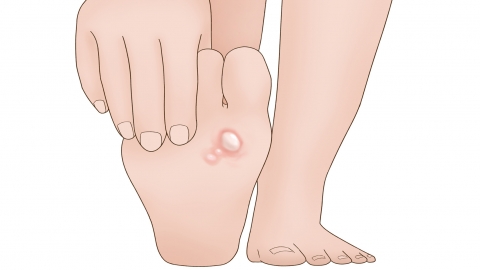
1. Sweat soaking the stratum corneum: Wearing non-breathable shoes leads to excessive foot sweating, which softens the stratum corneum and makes it prone to blister formation. Immediately switch to loose, breathable cotton socks and mesh shoes. Dry the feet thoroughly with a clean towel and keep the feet dry. Avoid wearing the same pair of shoes for extended periods.
2. Skin irritation from friction: In damp conditions, repeated rubbing between the foot and the shoe interior can separate the epidermis from the dermis, leading to blister formation, often accompanied by localized redness. Small blisters do not need to be punctured; apply waterproof adhesive bandages to reduce friction. Larger blisters should be drained by a healthcare provider using a sterile needle, followed by disinfection with iodine tincture.
3. Worsening bacterial infection: When blisters break open, bacteria can invade and cause infection, resulting in redness, swelling, pain, and increased discharge. Patients should follow medical advice to apply topical medications such as mupirocin ointment, fusidic acid cream, or compound polymyxin B ointment, and avoid contact with water to prevent spreading the infection.
4. Blistering secondary to athlete’s foot: Fungal infection of the feet (tinea pedis) can lead to clusters of small, itchy blisters, especially worsened by hot, stuffy footwear. Patients should use antifungal medications as directed by a doctor, such as terbinafine hydrochloride cream, bifonazole solution, or micronazole nitrate powder. Socks and shoes should be disinfected by washing with boiling water.
5. Skin damage caused by eczema: Foot eczema may flare up in hot and humid environments, causing blisters, erosion, and intense itching. Patients should use medications as prescribed, such as desonide cream, loratadine tablets, or calamine lotion. Avoid scratching the affected area and maintain a light diet, avoiding spicy foods.
In daily life, choose well-fitting, breathable footwear and wear professional sports socks during physical activity to minimize friction. Wash feet daily with warm water and dry them thoroughly afterward, especially between the toes. Regularly air out shoes and socks to maintain clean, dry feet and reduce the risk of recurrent blisters.


