


Why does staying up late cause skin allergies?

In general, skin allergies caused by staying up late may be due to weakened skin barrier function, neuroendocrine disorders, reduced immune function, dry and dehydrated skin, or increased sensitivity to contact irritants. It is recommended to seek medical attention promptly, identify the underlying cause, and receive appropriate treatment under a doctor's guidance. The specific analysis is as follows:
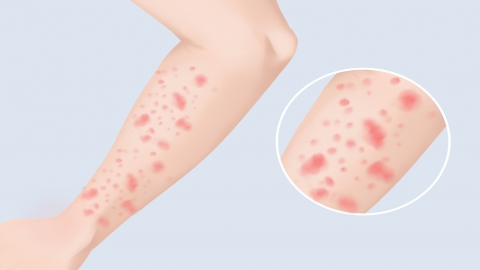
1. Weakened skin barrier function: Staying up late disrupts normal skin metabolism and hinders stratum corneum repair, reducing the skin’s ability to defend against external stimuli and leading to allergic reactions. Ensure 7–8 hours of sleep daily. After staying up late, use a gentle hydrating face mask to replenish moisture, and avoid exfoliating products.
2. Neuroendocrine disorder: Staying up late increases adrenaline secretion, which dilates blood vessels in the skin and triggers allergic reactions accompanied by redness. Maintain regular sleep habits and avoid staying up late. Stay away from electronic devices one hour before bedtime, and promote better sleep through relaxation techniques such as meditation or soaking your feet in warm water.
3. Reduced immune function: Chronic sleep deprivation causes immune system dysregulation, making the body react to allergens it previously tolerated, potentially causing allergic dermatitis. Patients should follow medical advice when using medications such as cetirizine hydrochloride tablets, loratadine capsules, or calamine lotion, and consume more fruits and vegetables rich in vitamin C to boost immunity.
4. Dry and dehydrated skin: During sleep deprivation, skin loses moisture more rapidly while sebum production decreases, making dry skin more vulnerable to irritation, itching, and allergic reactions. Drink a glass of warm water every hour during prolonged wakefulness, and apply a moisturizer containing ceramides to maintain skin hydration.
5. Increased contact irritation: Skin becomes more sensitive when fatigued from lack of sleep, increasing reactivity to skincare products, clothing fibers, and other irritants, potentially triggering contact dermatitis. Immediately discontinue any suspected skincare products, wear loose clothing made of pure cotton, and follow a doctor’s instructions for topical treatments such as desonide cream, hydrocortisone butyrate cream, or compound dexamethasone acetate cream.
In daily life, avoid spicy foods, seafood, and other common allergenic foods, and quit smoking and alcohol consumption. During allergy flare-ups, wash your face with lukewarm water and avoid extreme temperatures that may further irritate the skin. Keep indoor areas well-ventilated, clean bed linens regularly, and minimize exposure to allergens such as dust mites.


