


What causes eczema to keep appearing on the buttocks?
Nov 28, 2025
Source: Cainiu Health

Dr. Liu Wenmin
Introduction
In general, recurrent eczema on the buttocks may be caused by frequent local friction, irritation from a moist environment, allergic triggers, impaired skin barrier, or endocrine disorders. It is recommended to seek medical attention promptly, identify the underlying cause, and receive symptomatic treatment under a doctor's guidance. In daily life, avoid spicy foods, seafood, and other allergenic foods, and consume more fresh fruits and vegetables to supplement vitamins.
Generally, recurrent eczema on the buttocks may be caused by frequent local friction, irritation from a moist environment, allergic triggers, damaged skin barrier, or endocrine imbalances. It is recommended to seek medical attention promptly, identify the underlying cause, and receive appropriate treatment under a doctor's guidance. Specific analysis is as follows:
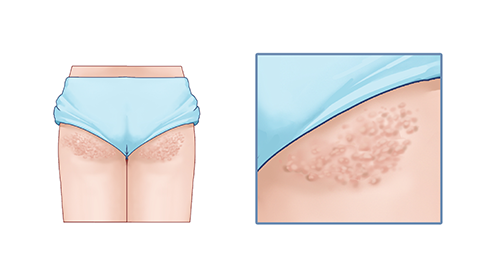
1. Frequent Local Friction: Wearing tight synthetic pants for long periods or prolonged sitting can continuously irritate the skin on the buttocks through friction, making eczema more likely. Choose loose, breathable cotton underwear and pants. Get up and move around for 5–10 minutes every hour of sitting, and avoid sitting on hard benches for extended periods to reduce friction.
2. Moist Environment Irritation: Excessive sweating on the buttocks or failure to dry thoroughly after cleaning creates a damp environment conducive to bacterial growth, leading to recurring eczema. After each bowel movement, wash with warm water and gently pat dry using a soft towel—avoid vigorous rubbing—and keep the area dry.
3. Allergic Triggers: Allergic reactions to residues from laundry detergents, hygiene products, or clothing fibers may induce eczema upon contact, often accompanied by significant itching. Switch to mild, non-irritating detergents and choose fragrance-free, pure cotton hygiene products. Patients should follow medical advice when using medications such as Cetirizine Hydrochloride Tablets, Loratadine Capsules, or Calamine Lotion.
4. Skin Barrier Damage: Over-cleansing or using harsh bathing products can compromise the skin barrier on the buttocks, increasing susceptibility to external irritants and triggering eczema. Reduce bathing frequency, avoid washing with hot water, and apply Vitamin E moisturizing lotion after bathing. As directed by a physician, use topical treatments such as Desonide Cream, Hydrocortisone Butyrate Cream, or Zinc Oxide Ointment.
5. Endocrine Imbalance: High stress levels or irregular sleep patterns can disrupt endocrine function, weakening skin resistance and causing recurrent eczema. Maintain regular sleep habits and avoid staying up late. Reduce stress through exercise, meditation, or similar methods. Follow medical guidance in taking medications such as Oryzanol Tablets, Vitamin B6 Tablets, or Compound Glycyrrhizin Tablets to help regulate bodily functions.
In daily life, avoid spicy foods and seafood that may trigger allergies, and consume more fresh fruits and vegetables rich in vitamins. Wash clothes separately and sun-dry them for disinfection; avoid mixing with others’ laundry. When itching occurs, gently pat the area to relieve discomfort—do not scratch, as this may break the skin and worsen symptoms.





