


Is it good or bad to have a birthmark on the back of the head?

In general, whether a birthmark on the back of the head is a cause for concern mainly depends on its type, size, location, and whether it causes health problems. A detailed analysis is as follows:
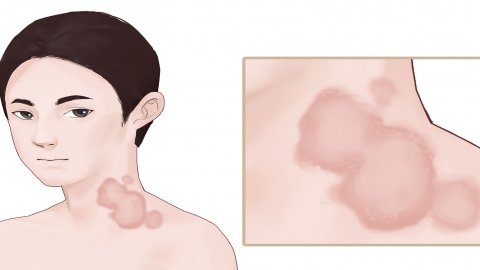
If the birthmark is a common Mongolian spot or pigmented nevus, with stable size, no significant changes, uniform color, and does not protrude from the skin surface, and there are no symptoms such as redness, swelling, itching, or pain, it usually does not affect health. These types of birthmarks are mostly benign and may gradually fade or even disappear with age. No special treatment is needed—regular observation is sufficient.
However, if the birthmark is a port-wine stain (nevus flammeus) that continues to enlarge, darkens in color, or suddenly increases in size or changes shape, or if ulceration, bleeding, crusting occurs on its surface, accompanied by itching or pain, caution is warranted. Some types of birthmarks may affect local skin health and even carry a risk of malignant transformation. In such cases, prompt consultation with a dermatologist at a hospital is necessary to confirm diagnosis and take appropriate measures.
In daily life, keep the skin at the back of the head clean and dry. Be gentle when washing hair and avoid vigorous rubbing of the birthmarked area to prevent skin damage and subsequent infection. Choose loose, soft clothing and pillowcases to minimize friction and irritation to the affected skin. Regularly monitor any changes in the birthmark and seek medical attention promptly if abnormalities occur. Do not apply medications or attempt treatments on your own.


