What should I do if lye gets on my hands?
Nov 28, 2025
Source: Cainiu Health

Dr. Liu Wenmin
Introduction
If caustic soda (sodium hydroxide) comes into contact with the skin, it should generally be treated immediately by thoroughly rinsing with large amounts of running water, neutralizing with a weak acid solution, avoiding rubbing or scratching the skin, promptly applying a protective ointment, and seeking medical attention promptly if severe. Caustic soda rapidly releases heat upon skin contact and causes chemical burns. It is essential to immediately flush the affected area continuously with running water for at least 15 minutes to dilute the concentration of the chemical.
If lye (caustic soda) comes into contact with the skin, it is generally managed by immediately rinsing thoroughly with large amounts of water, neutralizing with a weak acid solution, avoiding rubbing or scratching the skin, promptly applying protective ointment, and seeking medical attention promptly in severe cases. The specific steps are as follows:
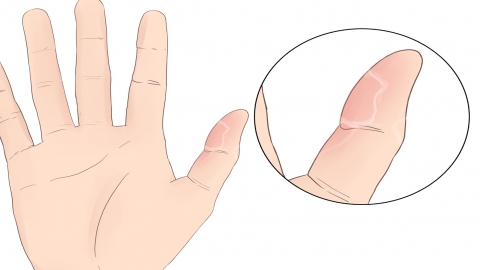
1. Immediately rinse with large amounts of water: After contact with the skin, lye rapidly releases heat and causes corrosion. It is essential to immediately and continuously flush the affected area with running water for at least 15 minutes to dilute the lye concentration, reduce its corrosive effect, and minimize the extent of skin damage.
2. Neutralize with a weak acid solution: If a burning sensation persists after rinsing, diluted white vinegar or boric acid solution may be gently applied to the hands to neutralize any residual alkaline lye using mild acidity, thereby relieving discomfort. However, care must be taken to avoid overly concentrated solutions that could cause secondary irritation.
3. Avoid rubbing or scratching the skin: Lye exposure may cause redness and pain. In such cases, rubbing or scratching the affected area should be avoided to prevent skin breaks that could lead to infection, and to stop residual lye from spreading to other areas of skin, which might worsen the injury.
4. Promptly apply protective ointment: After neutralization, gently pat the hands dry with a clean towel and apply a moisturizing and reparative ointment—such as petroleum jelly or erythromycin ointment—to protect the damaged skin barrier, reduce external irritation, and support skin recovery.
5. Seek immediate medical care if severe: If obvious swelling, blisters, peeling skin, or severe pain and numbness occur, this indicates significant skin damage. Immediate medical attention is necessary for professional treatment to prevent complications such as scarring or spreading infection.
When handling lye during daily use, wear protective gear such as gloves and aprons to prevent direct skin contact. Store lye in a tightly sealed container labeled clearly, and keep it out of reach of children.