


What does it mean if you experience全身 itching and hives after eating crab?

Generally,全身 itching and rashes after eating crab may be caused by crab protein stimulation, consumption of spoiled crab, crab allergy, acute urticaria, or worsening eczema. It is recommended to seek medical attention promptly, identify the underlying cause, and receive appropriate treatment under a doctor's guidance. Specific analyses are as follows:
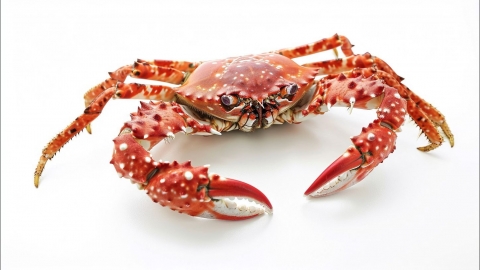
1. Crab protein stimulation: Crabs contain large amounts of foreign proteins. In some individuals, the immune system recognizes these proteins as foreign substances, triggering a mild immune response that results in itching and small bumps. Immediately stop consuming crab, drink plenty of warm water to promote metabolism, and avoid seafood and spicy or irritating foods in the short term.
2. Consuming spoiled crab: Spoiled crabs can easily breed bacteria, whose decomposition products may irritate skin and mucous membranes, leading to discomfort. Induce vomiting promptly to reduce toxin absorption, take montmorillonite powder as directed by a physician to protect gastrointestinal mucosa, and maintain a light, liquid-based diet.
3. Crab allergy: The immune system overreacts to crab proteins, potentially causing not only skin symptoms but also sneezing and runny nose. Patients may take medications such as cetirizine hydrochloride tablets, loratadine capsules, or ebastine tablets as prescribed. Avoid scratching to prevent skin damage and secondary infection.
4. Acute urticaria: Allergens in crab can trigger dilation of small blood vessels in the skin and mucous membranes, resulting in hives and severe itching. Patients should take medications such as fexofenadine hydrochloride tablets, desloratadine dry suspension, or chlorpheniramine maleate tablets as directed. In severe cases, epinephrine injection may be required.
5. Worsening eczema: For individuals with pre-existing eczema, irritating components in crab can exacerbate inflammation, increasing the extent of skin lesions and intensifying itching. Patients may use topical medications such as desonide cream, mometasone furoate cream, or hydrocortisone butyrate cream as prescribed, while keeping the skin clean and moisturized.
In daily life, it is important to identify personal allergens and avoid consuming foods that trigger allergic reactions. Cold compresses with a damp towel can help relieve itching, and wearing loose, cotton clothing can reduce skin friction. If severe symptoms such as difficulty breathing occur, immediate emergency medical care is necessary.


