


Why does my foot odor get worse after walking a lot?

Generally, excessive foot odor after prolonged walking may be caused by factors such as highly developed sweat glands in the feet, poor breathability of shoes and socks, athlete's foot (tinea pedis), hyperhidrosis, or pitted keratolysis. It is recommended to seek timely medical attention to identify the underlying cause and receive appropriate treatment under a doctor's guidance. Specific analyses are as follows:
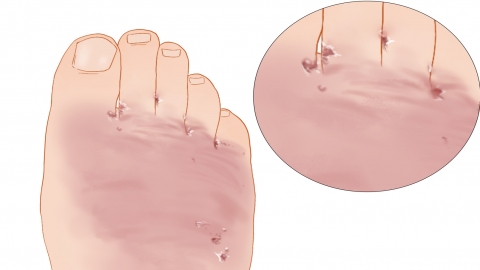
1. Highly developed sweat glands in the feet: The feet contain numerous sweat glands. Physical pressure and increased temperature during walking can stimulate these glands to secrete large amounts of sweat, which bacteria then break down into foul-smelling substances. After washing the feet, applying antiperspirants may help reduce sweating. Choose cotton socks with strong moisture absorption properties to keep the feet dry.
2. Poor breathability of shoes and socks: Wearing non-breathable plastic shoes, synthetic leather shoes, or tight-fitting socks can prevent sweat from evaporating promptly, creating a damp environment conducive to bacterial growth. Switch to breathable canvas or genuine leather shoes paired with loose cotton socks. Change shoes and socks daily, and thoroughly air-dry and disinfect them.
3. Athlete’s foot (tinea pedis): Caused by fungal infection (dermatophytes), prolonged walking increases foot moisture, promoting fungal proliferation and producing unpleasant odors, often accompanied by itching and flaking skin. Patients should follow medical advice to use topical medications such as terbinafine hydrochloride cream, bifonazole cream, or miconazole nitrate cream for treatment.
4. Hyperhidrosis: Abnormal sympathetic nerve function leads to excessive secretion by the sweat glands in the feet. Even routine activities can trigger sweating, and foot odor becomes more noticeable after extended walking. Patients should use topical treatments such as aluminum chloride solution, formalin solution, or methenamine solution as prescribed. In severe cases, sympathectomy may be considered to reduce sweat gland activity.
5. Pitted keratolysis: Bacterial infection causes softening and breakdown of the stratum corneum on the soles, forming shallow depressions. Moist conditions resulting from prolonged walking can worsen the condition, leading to foot odor and whitish discoloration of the skin. Under medical supervision, patients may apply erythromycin ointment, fusidic acid cream, or mupirocin ointment to alleviate symptoms.
Maintain good foot hygiene habits by washing the feet daily with warm water, paying special attention to cleaning between the toes. Avoid sharing personal items such as slippers and foot basins to prevent cross-infection and promote foot health.


