


What to do if your fingers swell up from peeling shrimp

Generally, finger swelling after peeling shrimp may be caused by mechanical irritation, contact irritation, shrimp allergy, paronychia, or cellulitis. Depending on the specific situation, patients can choose appropriate management methods such as general care, medication, or surgical treatment. A detailed analysis is as follows:
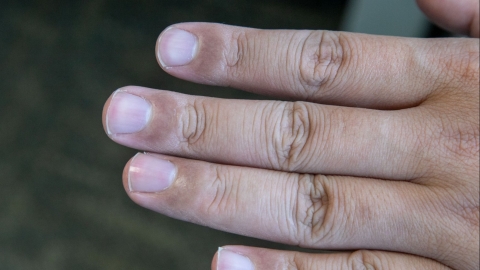
1. Mechanical Irritation
The sharp edges of shrimp shells can repeatedly rub and compress the skin during peeling, causing local tissue fluid leakage and resulting in swelling. Immediately stop peeling, soak the affected finger in cold water for 10 minutes to reduce swelling, avoid excessive movement, and consider using specialized tools for peeling in the future.
2. Contact Irritation
Dirt or bodily fluids on the surface of shrimp shells may irritate the skin, compromising the skin barrier and triggering a localized inflammatory response that leads to swelling. Thoroughly rinse the fingers with running water, dry gently, then apply a mild hand cream. Keep hands clean and dry.
3. Shrimp Allergy
Shrimp contains foreign proteins that may trigger an immune response in some individuals upon contact or ingestion, leading to histamine release, blood vessel dilation, and tissue edema. Avoid exposure to shrimp; antihistamines such as cetirizine hydrochloride tablets, fexofenadine hydrochloride tablets, or loratadine capsules may be taken under medical guidance. Avoid scratching the affected area.
4. Paronychia
If a shrimp shell punctures the finger during peeling, bacteria may enter the nail fold and cause infection, resulting in redness, swelling, and pain. Under medical supervision, topical antibiotics such as mupirocin ointment, fusidic acid cream, or compound polymyxin B ointment can be applied. Keep the area dry. In severe cases, incision and drainage of the nail fold may be required.
5. Cellulitis
After skin injury on the finger, pathogens such as hemolytic streptococci can spread into the subcutaneous tissue, causing diffuse inflammation and swelling. Prompt medical attention is necessary. Oral antibiotics such as cefradine capsules, amoxicillin capsules, or roxithromycin dispersible tablets should be taken as prescribed. If an abscess forms, surgical incision and drainage are required.
When peeling shrimp, it is advisable to wear gloves for protection and thoroughly wash hands before and after handling shrimp. If finger swelling persists or is accompanied by fever or worsening pain, seek medical attention promptly to prevent disease progression.


