


What does it mean if there's a lump with pus on the upper chest?

Generally, the appearance of a lump or abscess on the chest may be caused by excessive sebum secretion, friction irritation, folliculitis, furuncle (boil), infected sebaceous cyst, and other reasons. If discomfort symptoms occur, it is recommended to seek timely medical evaluation and treatment at a正规 hospital. Specific causes are analyzed as follows:
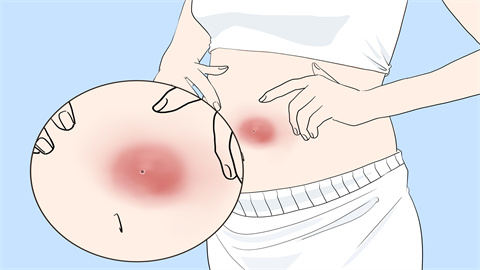
1. Excessive Sebum Secretion
The chest area contains abundant sebaceous glands. Hormonal fluctuations or a high-sugar diet can increase sebum production, leading to clogged pores and the formation of lumps, which may develop into abscesses after secondary infection. Clean the chest with warm water, use lightweight and non-irritating skincare products, maintain a bland diet with reduced sugar intake, and wear breathable clothing to prevent sebum buildup.
2. Friction Irritation
Wearing tight synthetic underwear or repeated friction during exercise can damage the skin’s protective barrier on the chest, allowing bacterial invasion and resulting in lumps and abscesses. Immediately switch to loose-fitting cotton underwear, clean the skin promptly after exercise, avoid scratching the affected area, and minimize skin trauma from friction.
3. Folliculitis
Infection of hair follicles on the chest by *Staphylococcus aureus* causes red inflammatory lumps, with pus gradually forming at the tip, often accompanied by mild pain. Topical treatments such as mupirocin ointment, fusidic acid cream, or oral cephalexin (as prescribed) may be used under medical guidance. Keep the chest area clean and avoid squeezing the abscess.
4. Furuncle (Boil)
An acute suppurative infection involving the hair follicle and surrounding tissue. It begins as a red, hard nodule and rapidly progresses to a painful, fluctuant abscess. Under medical supervision, treatments may include ichthammol ointment, clindamycin gel, or oral amoxicillin. Once the abscess matures, incision and drainage may be required.
5. Infected Sebaceous Cyst
A cyst forms when the sebaceous gland duct becomes blocked; subsequent bacterial infection leads to redness, swelling, pain, and abscess formation. After controlling the infection, surgical excision of the sebaceous cyst is usually necessary. During the acute phase, medications such as roxithromycin capsules, compound polymyxin B ointment, or levofloxacin tablets may be used as directed by a physician.
In daily life, choose mild, non-irritating hygiene products; change underwear frequently and sun-dry them for disinfection; avoid tight clothing that causes friction; maintain a balanced diet rich in fresh fruits and vegetables; follow a regular sleep schedule to enhance skin resistance; and seek prompt medical care for abscesses—do not attempt self-treatment.


