


Why does my hand itch after removing the shrimp vein?

Generally, hand itching after removing the shrimp vein may be caused by shrimp protein irritation, shell scratches, shrimp allergy, contact dermatitis, or worsening of eczema. It is recommended to seek medical attention promptly, identify the underlying cause, and receive appropriate treatment under a doctor's guidance. Specific causes are analyzed as follows:
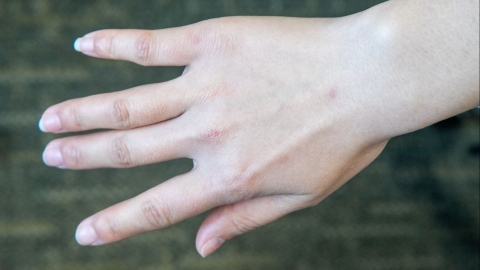
1. Shrimp protein irritation: Proteins from the shrimp vein and flesh adhere to the skin, stimulating nerve endings and causing itching, especially when hands are wet. Immediately wash hands thoroughly with running water and soap to remove residual proteins, and avoid rubbing eyes, nose, or mouth with hands.
2. Shell-induced skin injury: The sharp edges of shrimp shells can scratch the skin during deveining, creating tiny wounds that allow shrimp components to penetrate and cause discomfort. Disinfect the wound with iodophor, apply petroleum jelly to protect the area, and wear disposable gloves in future handling to prevent exposure.
3. Shrimp allergy: The immune system reacts to foreign proteins in shrimp, potentially causing not only hand itching but also skin redness and papules. Patients may take antihistamines such as loratadine hydrochloride capsules, cetirizine hydrochloride tablets, or ebastine tablets as directed by a physician, and should avoid direct contact with shrimp in the future.
4. Contact dermatitis: Inflammatory reaction occurs when the skin comes into contact with allergenic substances in shrimp, resulting in significant itching and possibly blisters. Treatment may include calamine lotion, desonide cream, or hydrocortisone butyrate cream as prescribed, along with maintaining clean and dry hands.
5. Worsening eczema: Individuals with pre-existing hand eczema may experience aggravated inflammation, expanded skin lesions, and intensified itching due to irritants in shrimp. Treatments such as mometasone furoate cream, tacrolimus ointment, or pimecrolimus cream may be used under medical supervision. Avoid contact with irritants like detergents.
When handling shrimp, it is advisable to wear gloves throughout the process, especially if there are existing cuts or wounds on the hands. Pay attention to your tolerance toward seafood in your diet, record any allergic reactions, and avoid triggers accordingly. Avoid scratching itchy areas to prevent skin damage and secondary infection.


