


Why does hives only appear on the upper body?

Urticaria appearing only on the upper body is primarily associated with local contact stimuli, characteristics of nerve distribution, differences in blood circulation, concentrated allergic triggers, and skin barrier status. It often reflects localized sensitization or individual physiological predisposition. If urticaria on the upper body recurs frequently or is accompanied by difficulty breathing or abdominal pain, prompt medical attention is recommended.
1. Local Contact Stimuli: The upper body is more likely to come into contact with allergens such as pollen, dust mites, clothing fibers, or cosmetics. These irritants directly affect the local skin, activating mast cells to release histamine, leading to localized hives and itching.
2. Nerve Distribution Characteristics: Sensory nerve endings in the upper body—especially in the trunk and upper limbs—are more densely distributed, making them more sensitive to allergenic signals. Under the same stimulus, this area is more prone to exhibit urticarial symptoms such as vasodilation and increased vascular permeability.
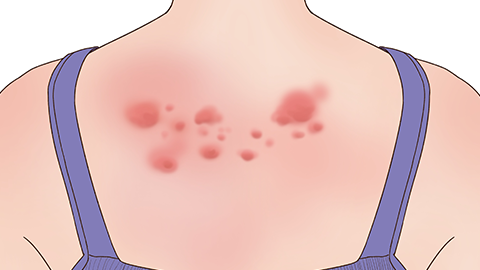
3. Circulatory Differences: Blood circulation in the upper body is relatively more active. After inflammatory mediators like histamine are released, they can rapidly spread through the local skin, triggering hive reactions. In contrast, slower circulation in the lower body results in delayed transmission of sensitizing signals.
4. Concentrated Allergic Triggers: During daily activities, the upper body has greater exposure to allergenic environments. For example, inhaled allergens often affect the upper respiratory tract and surrounding skin, leading to localized urticaria, whereas the lower body is less exposed.
5. Skin Barrier Status: The skin on the upper body may have a weakened barrier function due to friction from clothing or improper cleansing routines, reducing its defense against external irritants and increasing susceptibility to factors that trigger urticaria.
To reduce the frequency of urticaria episodes, avoid wearing synthetic fiber clothing, choose mild and non-irritating skincare products, minimize exposure of the upper body to environments containing pollen or dust mites, maintain clean and well-moisturized skin, and avoid scratching or other forms of irritation.


