


What should I do if my mouth feels very dry after getting an M-shaped lip procedure?

Generally, dry mouth after M-lip surgery may be caused by postoperative mucosal injury, inadequate hydration, local inflammatory response, drug side effects, secondary infection, or other reasons. It is recommended to seek medical attention promptly, identify the underlying cause, and follow a doctor's guidance for improvement through general care, medication, or other treatments. The specific analysis is as follows:
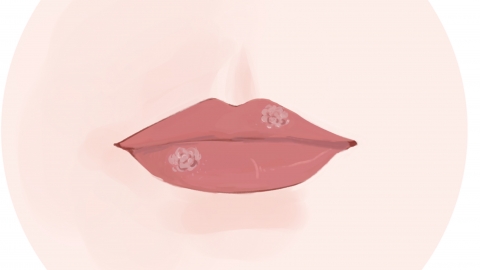
1. Postoperative mucosal injury: The surgery may damage the lip mucosa and glands, reducing saliva secretion and causing dryness. Gently wipe the lips and corners of the mouth with a sterile cotton swab dipped in warm water to keep the mucosa moist. Avoid licking the lips to prevent irritation of the wound.
2. Inadequate hydration: Limited food and fluid intake after surgery can lead to insufficient body hydration, making the lips prone to dryness. Drink small amounts of cool or lukewarm water frequently, with each serving controlled at 10–15 mL.
3. Local inflammatory response: Mild inflammation may occur during wound healing, irritating lip tissue and causing dryness. As directed by a physician, patients may use medical lip balms, recombinant human epidermal growth factor gel, vitamin E cream, or similar medications to relieve dryness and promote mucosal repair.
4. Drug side effects: Some medications taken after surgery, such as antibiotics, may cause dry mouth as a side effect. Inform your doctor promptly and adjust the treatment plan under medical supervision. Increase oral moisture by using sugar-free throat lozenges to alleviate discomfort.
5. Secondary infection: Poor postoperative care may lead to infection, with worsening inflammation causing redness, swelling, dryness, pain, and discharge on the lips. Follow your doctor’s instructions to use medications such as amoxicillin capsules, cefuroxime axetil tablets, or metronidazole gel to control the infection. In severe cases, debridement surgery may be required to remove infected or necrotic tissue.
Maintain a diet primarily consisting of cool or lukewarm liquid or semi-liquid foods, and avoid spicy or hot foods that may irritate the lips. Use a humidifier indoors to maintain air humidity between 50% and 60%, reducing moisture loss from the lips and supporting wound recovery.


