


Why do the sides of my big toenail smell bad, and what should I do about it?

The area on both sides of the big toenail emitting a foul odor may result from inadequate cleaning, non-breathable shoes and socks, paronychia, onychomycosis (fungal nail infection), or infected ingrown toenails. Improvements can be achieved through enhanced hygiene, changing footwear, and medical treatment. If the odor worsens or is accompanied by redness, swelling, or pus, prompt medical attention is advised.
1. Inadequate Cleaning: Sweat and dirt can accumulate in the grooves on both sides of the toenail. Bacterial breakdown of these residues produces odor, which intensifies over time if not cleaned properly. It is recommended to soak feet daily in warm water and gently clean the sides of the nails with a soft-bristled brush to prevent buildup.
2. Non-Breathable Shoes and Socks: Wearing non-ventilated footwear for prolonged periods traps sweat, creating a moist environment conducive to bacterial growth and odor. Switching to cotton, breathable socks and slip-resistant, ventilated shoes is advised. Shoes and socks should be aired out daily to keep them dry.
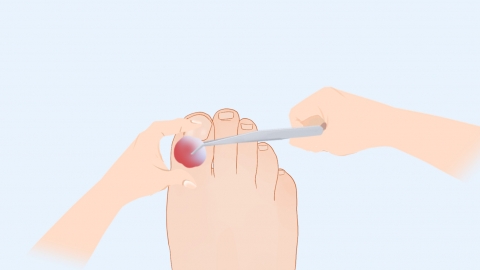
3. Paronychia: Bacterial infection following minor injuries to the skin around the nail can cause local redness, swelling, and pain. The mixture of inflammatory secretions and sweat produces an unpleasant smell. Under medical guidance, patients may use medications such as mupirocin ointment, cefaclor capsules, and povidone-iodine solution to alleviate symptoms.
4. Onychomycosis: Fungal infection of the nail and surrounding tissue by dermatophytes leads to thickened, brittle nails. Debris trapped in crevices promotes bacterial growth and odor. Under a doctor’s supervision, treatments such as amorolfine hydrochloride solution, itraconazole capsules, and bifonazole cream may be used to relieve discomfort.
5. Infected Ingrown Toenail: When the nail grows into the surrounding skin, it causes injury and secondary bacterial infection, resulting in swelling, discharge, and a foul odor from secretion fermentation. As directed by a physician, patients may apply erythromycin ointment, take cefuroxime axetil tablets, or use hydrogen peroxide solution to improve symptoms.
Clean the feet and the sides of the toenails daily with warm water, keeping the area dry and fresh. Choose breathable, sweat-absorbent footwear and change them regularly. Avoid cutting nails too short or too pointed to minimize local trauma and reduce the risk of infection.


