


Will women with alopecia areata lose all their hair?

Generally, whether women with alopecia areata will lose all their hair depends on a comprehensive assessment of various factors, including the specific type of alopecia, severity of the condition, timeliness of treatment, and individual differences. The detailed analysis is as follows:
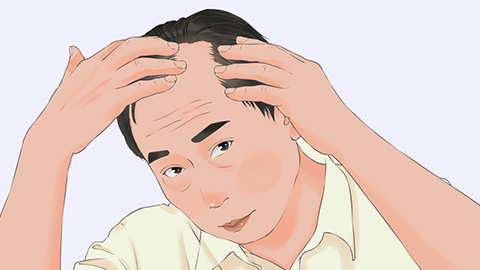
When alopecia areata is limited to small areas of the scalp and prompt intervention is undertaken after onset, complete hair loss typically does not occur. This type is often associated with mental stress and lack of sleep. Hair follicles are not completely destroyed, and with lifestyle adjustments combined with proper medical treatment, new hair usually regrows gradually and the affected area does not continue to expand.
However, in cases of alopecia totalis or alopecia universalis, failure to control the condition promptly may lead to complete hair loss. Alopecia totalis involves total hair loss on the scalp, while alopecia universalis affects all body hair, including eyebrows and eyelashes. These conditions are often linked to abnormal immune function and involve severe damage to hair follicles. If treatment is delayed, hair loss will progressively worsen and the possibility of hair regrowth decreases significantly.
Maintain scalp cleanliness by using mild, non-irritating shampoo, and avoid frequent perming or dyeing. Maintain regular sleep patterns and avoid staying up late; relieve mental stress through exercise, meditation, or similar methods. Eat a balanced diet rich in protein and vitamin B complex to provide essential nutrients for healthy hair growth. Avoid frequently scratching the scalp to minimize follicle irritation, and seek timely medical evaluation at a reputable hospital if the balding area expands.


