


Why does athlete's foot get worse after becoming pregnant?

Generally, worsening athlete's foot during pregnancy may be caused by hormonal changes, decreased immunity, aggravated fungal infection, eczema with secondary infection, or bacterial infection. If any abnormalities occur, timely medical consultation is recommended. Specific analyses are as follows:
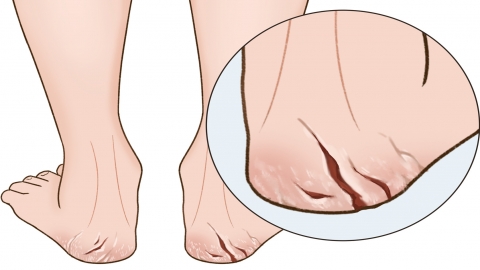
1. Hormonal changes: During pregnancy, significant hormonal fluctuations affect normal skin metabolism and reduce skin resistance, making it easier to develop athlete's foot or exacerbate existing symptoms. No special medication is required—maintain clean and dry feet, wear breathable shoes and socks, and symptoms may improve after delivery when hormone levels return to normal.
2. Decreased immunity: The physical burden increases during pregnancy, leading to reduced immune function and weaker defense against fungi, which may worsen athlete's foot symptoms. Emphasis should be placed on foot hygiene, moderate exercise, and improving overall health to boost immunity.
3. Worsened fungal infection: Pre-existing fungal infections on the feet may proliferate more rapidly due to physiological changes in pregnancy, resulting in more pronounced athlete's foot symptoms such as itching, peeling, and blisters. Under medical guidance, topical antifungal creams such as miconazole nitrate cream, terbinafine hydrochloride cream, or clotrimazole cream can be used to inhibit fungal growth.
4. Eczema with secondary infection: Skin on the feet becomes more sensitive during pregnancy and is prone to eczema. If left untreated or scratched, it may become secondarily infected with fungi, worsening athlete's foot and causing redness, swelling, and oozing. As directed by a physician, zinc oxide ointment, calamine lotion, or mometasone furoate cream may be used to relieve eczema symptoms and control infection.
5. Bacterial infection: When the skin on the feet is broken, bacteria can invade and cause infection, interacting with athlete’s foot and worsening symptoms, possibly leading to pain and pus formation. Under medical supervision, topical antibiotics such as mupirocin ointment, erythromycin ointment, or fusidic acid cream can be applied for anti-infective treatment.
In daily life, regular prenatal checkups should be conducted to monitor indicators such as blood glucose. Keep feet clean, choose appropriate footwear and socks, and avoid scratching the skin on the feet.


