


What does it mean if there is a red patch on the forehead?

Generally, redness on the forehead may be caused by emotional excitement, sun exposure, contact dermatitis, seborrheic dermatitis, or rosacea. If discomfort occurs, it is recommended to seek timely medical evaluation and treatment at a reputable hospital. Specific causes are analyzed as follows:
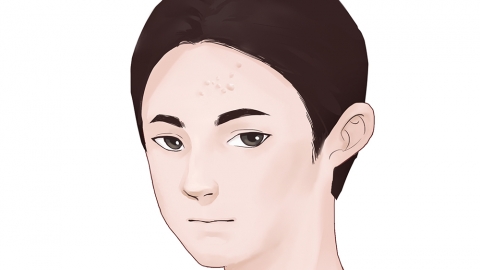
1. Emotional Excitement
During tension or excitement, the sympathetic nervous system becomes activated, causing blood vessels in the forehead to dilate and become congested, resulting in redness. Calm your emotions by practicing deep breathing or listening to soothing music to relieve stress. Gently apply a cool towel to the forehead to constrict blood vessels and avoid extreme emotional fluctuations.
2. Sun Exposure Irritation
The forehead is often exposed, and prolonged UV radiation can burn the skin, damage the skin barrier, and trigger inflammation, leading to redness and a burning sensation. Immediately move to a shaded area, apply cold compresses with a damp towel to reduce temperature, and apply a gentle moisturizer. When outdoors, practice sun protection by wearing hats or applying sunscreen.
3. Contact Dermatitis
Using allergenic skincare products or cosmetics can irritate the forehead skin and cause inflammatory reactions such as redness and itching. Discontinue use of suspected products, cleanse the forehead with water, and follow medical advice to use medications such as desonide cream, loratadine tablets, or calamine lotion.
4. Seborrheic Dermatitis
Excessive sebum production from forehead sebaceous glands combined with Malassezia fungal infection can lead to inflammation, presenting as light red patches with greasy scales. Under medical guidance, treatments may include ketoconazole cream, vitamin B6 tablets, and selenium sulfide shampoo. Keep the forehead clean and avoid high-fat diets.
5. Rosacea
Genetic or hormonal factors may cause abnormal dilation and constriction of blood vessels in the forehead, resulting in persistent redness accompanied by papules and pustules. Follow medical advice for treatment with metronidazole gel, doxycycline tablets, or azelaic acid cream. Avoid spicy foods, alcohol, and excessive exposure to high-temperature environments.
In daily life, choose mild, non-irritating skincare products and avoid frequent exfoliation. Practice proper sun protection when outdoors to minimize UV damage. Maintain a regular sleep schedule and avoid staying up late, which can worsen sebum secretion. Eat a light diet rich in fruits and vegetables to support healthy skin.


