


What causes itchy skin on both sides of the ears?

Generally, itching on the skin around both sides of the ears may be caused by inadequate cleansing, friction irritation, contact dermatitis, seborrheic dermatitis, eczema, or other reasons. It is recommended to seek medical attention promptly, identify the underlying cause, and improve symptoms under a doctor's guidance through general management, medication, and other treatments. Specific analyses are as follows:
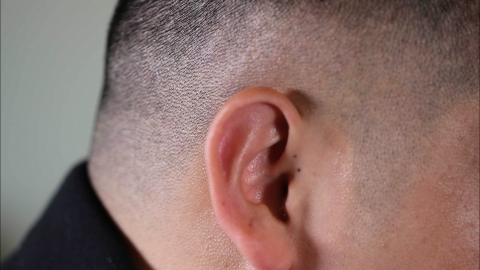
1. Inadequate cleansing: Accumulation of oil, sweat, and dirt around the ears can clog pores and irritate the skin, leading to itching. Gently wash the area around the ears daily with warm water, avoid using harsh facial cleansers, and pat the skin dry gently with a clean towel after washing.
2. Friction irritation: Prolonged use of eyeglasses, headphones, or wearing turtlenecks may repeatedly rub against the skin around the ears, damaging the skin barrier and causing itching. Choose loose, comfortable clothing; adjust the tightness of eyeglass frames; and use soft padding with headphones to reduce friction.
3. Contact dermatitis: Using allergenic skincare products, shampoos, or earrings may trigger localized allergic reactions, accompanied by redness and papules. Patients should follow medical advice to take medications such as cetirizine hydrochloride tablets, loratadine capsules, or use desonide cream, discontinue the suspected allergen, and avoid future exposure.
4. Seborrheic dermatitis: Inflammation caused by excessive sebum production from sebaceous glands around the ears leads to red, oily, scaly skin with significant itching. Patients may use ketoconazole cream, selenium sulfide shampoo, or vitamin B6 tablets as directed by a physician to reduce sebum secretion and inflammatory irritation.
5. Eczema: Inflammation triggered by a combination of internal and external factors results in polymorphic rashes around the ears, accompanied by intense itching and oozing. Patients should use medications such as mometasone furoate cream, tacrolimus ointment, or hydrocortisone butyrate cream under medical supervision and keep the skin around the ears clean and dry.
In daily life, avoid scratching the skin around the ears to prevent breaks in the skin and infection. Maintain a light diet and reduce intake of spicy or irritating foods. Use simple-ingredient skincare products, avoid frequent changes, and support the repair of the skin barrier.


