What causes redness and swelling around the area after laser removal of warts?
Nov 28, 2025
Source: Cainiu Health

Dr. Liu Wenmin
Introduction
In general, redness and swelling around the treated area after laser wart removal may be caused by normal tissue reaction, local irritation or friction, infection and inflammation, allergic reaction, or early signs of post-inflammatory pigmentation. It is recommended to seek medical attention promptly, identify the underlying cause, and receive symptomatic treatment under a doctor's guidance. Avoid scratching the wound with hands in daily life to prevent further damage and worsening of infection.
Generally, redness and swelling around the treated area after laser wart removal may be caused by normal tissue reaction, local irritation or friction, infection and inflammation, allergic reactions, or early signs of post-inflammatory pigmentation. It is recommended to seek medical attention promptly, identify the underlying cause, and receive appropriate treatment under a doctor's guidance. Specific analyses are as follows:
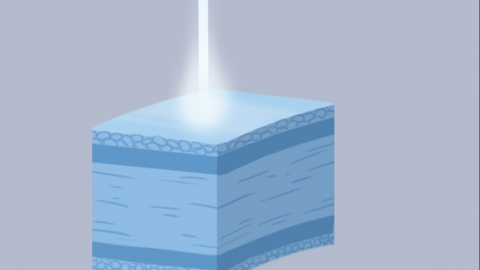
1. Normal tissue reaction: The laser energy stimulates local tissues, causing a mild inflammatory response that manifests as redness and swelling, often accompanied by a slight burning sensation. Keep the wound dry and clean, avoid contact with water, and no special treatment is required—symptoms typically resolve on their own within 3–5 days.
2. Local irritation or friction: Before the wound has fully healed, friction from clothing or accidental touching can worsen redness and swelling. Wear loose, soft clothing, avoid pressure on the affected area, and take care to protect the wound during daily activities to minimize external irritation.
3. Infection and inflammation: Improper postoperative care may allow bacterial invasion, leading to redness, swelling, pain, and exudation; in severe cases, purulent discharge may occur. Patients should follow medical advice to use medications such as mupirocin ointment, fusidic acid cream, or cefuroxime axetil tablets, and clean the wound daily with normal saline.
4. Allergic reaction: Allergy to disinfectants or topical ointments used after surgery may cause redness, swelling, itching, and rashes. Patients should take antiallergic medications such as cetirizine hydrochloride tablets, loratadine capsules, or desonide cream as directed by a physician, discontinue use of the allergenic product, and switch to gentler skincare products.
5. Early sign of post-inflammatory pigmentation: When local inflammation is severe, it may lead to hyperpigmentation, initially presenting as persistent redness and swelling. Patients may use vitamin E cream, hydroquinone cream, or centella asiatica glycoside ointment as prescribed to reduce pigment deposition, and practice sun protection when outdoors.
Avoid scratching the wound with hands to prevent secondary damage and infection. Maintain a light diet and reduce intake of spicy or irritating foods. Avoid applying makeup before the wound heals completely, and avoid contact with dirty water or contaminants to promote proper wound recovery.