


What does it mean when blisters form from sitting by a fire?

Generally, blisters caused by sitting close to a fire may result from factors such as excessive local temperature, reduced skin sensitivity, mild burns, secondary infection and inflammation, or worsening of eczema. It is recommended to seek medical attention promptly, identify the underlying cause, and receive appropriate treatment under a doctor's guidance. A detailed analysis is as follows:
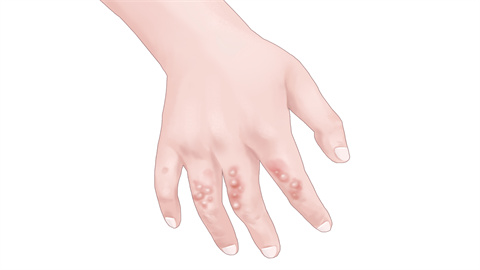
1. Excessively high local temperature: When sitting too close to a heat source, heat accumulates on the skin, causing separation between the epidermis and dermis, with tissue fluid leakage forming blisters. Immediately move away from the heat source and rinse the affected area with running cool water for 15–20 minutes to lower skin temperature and reduce injury.
2. Reduced skin sensitivity: In elderly individuals, diabetic patients, or those who are intoxicated, the skin’s sensitivity to heat may be diminished, leading to unnoticed overheating and subsequent blister formation. These individuals should be supervised while warming themselves, maintain a safe distance from the heat source, and consider using a thermometer to monitor ambient temperature.
3. Mild burn: When the temperature from the fire exceeds the skin’s tolerance, it can cause superficial second-degree burns, characterized by clear or light yellow blisters accompanied by a burning sensation and pain. Patients may use medications such as moist burn ointment, silver sulfadiazine cream, or recombinant human epidermal growth factor gel as directed by a physician to protect the wound and promote healing.
4. Infection leading to inflammation: If a blister breaks and is not treated promptly, bacteria may invade and cause infection, resulting in cloudy or pus-filled blisters along with redness, swelling, and pain. In such cases, patients should follow medical advice to use topical or oral antibiotics such as mupirocin ointment, fusidic acid cream, or cefuroxime axetil tablets to control the infection and prevent its spread.
5. Worsening eczema: Skin already affected by eczema has a weakened barrier function, and exposure to heat from a fire can aggravate inflammation, leading to blister formation and intensified itching at existing rash sites. Patients may use prescribed medications such as desonide cream, mometasone furoate cream, or cetirizine hydrochloride tablets to alleviate inflammation and itching.
During daily use of fire for warmth, maintain a distance of at least 30 cm and avoid prolonged, fixed-position heating of the same body area. Do not puncture unbroken blisters yourself; if drainage is necessary, it should be performed by a healthcare professional. Wear loose, breathable clothing to minimize friction on the affected area and support wound recovery.


