


What causes a sudden red mark to appear on the forehead?

Red marks suddenly appearing on the forehead are often associated with external pressure, skin friction, contact dermatitis, folliculitis, seborrheic dermatitis, and other factors. If the mark persists or is accompanied by itching or pain, it is recommended to seek timely medical attention at the dermatology department of a reputable hospital. Specific causes are analyzed as follows:
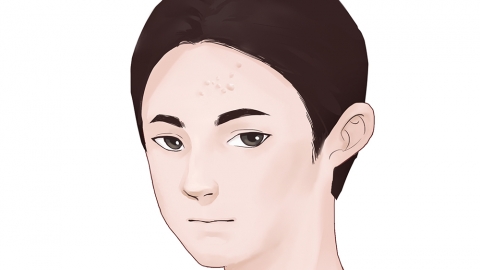
1. External Pressure
If the pillow used during sleep is too hard or headwear is worn too tightly, prolonged pressure on the forehead skin can impair local blood circulation, leading to red marks. Switching to a softer pillow, removing tight headwear, and applying a warm towel compress to the forehead can help improve blood flow and typically resolve the mark within a few hours.
2. Skin Friction
During intense physical activity or daily routines, repeated rubbing of the forehead against clothing, hats, or other materials may damage the epidermal tissue, resulting in red marks. Avoid further friction on the affected area, keep the forehead skin clean, and apply a gentle moisturizer to protect the skin barrier.
3. Contact Dermatitis
Using new skincare products, cosmetics, or exposure to other allergens may trigger an inflammatory reaction in the skin, causing redness, often accompanied by itching. Immediately discontinue use of the suspected product, cleanse the forehead with water, and follow medical advice to apply calamine lotion or desonide cream topically, and take ebastine tablets orally if prescribed.
4. Folliculitis
Bacterial infection of hair follicles on the forehead leads to inflammation, presenting as red papules or marks, sometimes with mild pain. Keep the forehead clean and dry, avoid squeezing, and follow medical guidance to apply mupirocin ointment or fusidic acid cream topically, and take cefuroxime axetil tablets orally.
5. Seborrheic Dermatitis
Excessive sebum production combined with Malassezia fungal infection triggers inflammation, causing light red marks on the forehead along with oily scaling. Maintain regular sleep patterns to reduce sebum secretion, follow medical advice to apply ketoconazole cream or tacrolimus ointment topically, take vitamin B6 tablets orally, and consider photorejuvenation therapy for severe cases.
In daily life, choose mild skincare products and avoid frequent changes; cleanse the forehead promptly after exercise; maintain a regular lifestyle and reduce intake of high-sugar, high-fat foods; avoid scratching when marks appear to prevent worsening symptoms.


