


What causes whitening and peeling of the skin on fingers?

White discoloration and peeling of the skin on fingers are commonly associated with dry, dehydrated skin, frequent exposure to irritants, dyshidrotic eczema (pompholyx), hand fungus (tinea manuum), or keratolysis exfoliativa. If symptoms recur or are accompanied by itching or pain, it is recommended to seek timely medical evaluation at the dermatology department of a reputable hospital. Detailed explanations are as follows:
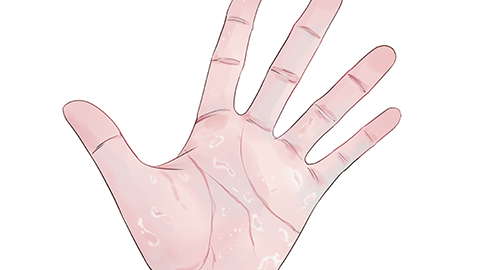
1. Dry and Dehydrated Skin
Dry environments or insufficient water intake can lead to moisture loss in the stratum corneum (outer skin layer) of the hands, causing epidermal cells to shrink and shed, resulting in whitening and peeling. Apply glycerin-based hand cream daily, moisturize immediately after handwashing, and use a humidifier indoors to maintain optimal humidity levels.
2. Frequent Exposure to Irritants
Long-term contact with chemical substances such as detergents or disinfectants can damage the skin barrier of the hands, irritating and damaging epidermal cells, leading to whitening and peeling. Wear rubber gloves when doing household chores to minimize direct exposure, and after contact, wash hands with a mild cleanser and apply hand cream promptly.
3. Dyshidrotic Eczema (Pompholyx)
Excessive sweating of the hands and feet or mental stress may block sweat ducts, leading to small blisters. After these blisters dry up, they leave behind whitish areas of thickened skin that subsequently peel off. Follow medical advice to apply calamine lotion or hydrocortisone butyrate cream topically, take oral loratadine tablets, avoid scratching, and keep hands dry.
4. Hand Fungus (Tinea Manuum)
Fungal infection of the skin on the hands invades the stratum corneum, causing cell death and resulting in white, flaky patches, often accompanied by itching and rough skin texture. Under medical guidance, apply topical miconazole nitrate cream and take oral itraconazole capsules or terbinafine hydrochloride tablets. Avoid sharing towels or gloves with others to prevent transmission.
5. Keratolysis Exfoliativa
Genetic or environmental factors cause abnormal shedding of the stratum corneum. It typically begins with small, white, blister-like spots that rupture and develop into thin, paper-like peeling. As directed by a physician, apply topical tretinoin cream or urea ointment and take oral vitamin E softgel capsules. Avoid peeling or tearing the skin manually and reduce contact with alkaline substances.
To maintain hand health, keep hands clean and well-moisturized, avoid excessive handwashing, wear protective gloves during household tasks or when handling irritants, maintain a balanced diet rich in vitamins, and seek medical attention promptly if symptoms worsen. Avoid self-medicating to prevent delays in proper diagnosis and treatment.


