


What should I do if my hand has been soaked in alkaline water?

Under normal circumstances, if the hands have been soaked in alkaline water, they can be treated by immediate rinsing, neutralization and care, medication, moisturizing and repair, and daily protection. Specific analysis is as follows:
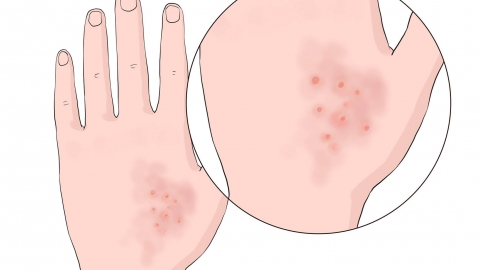
1. Immediate Rinsing
Rinse the affected hand under running clean water as soon as possible for at least 15 to 20 minutes to fully dilute and remove residual alkali, reducing corrosion of the skin's stratum corneum. Ensure thorough rinsing of hidden areas such as between fingers and under fingernails to prevent ongoing skin damage from remaining alkali.
2. Neutralization and Care
If the alkali concentration is high, after rinsing, gently wipe the hands with diluted vinegar solution to neutralize any remaining alkali using its acidity. However, immediately rinse thoroughly with clean water afterward to avoid irritation from acid on damaged skin. This step is only suitable when the skin is unbroken.
3. Medication
For redness, swelling, or itching, topical applications such as calamine lotion or hydrocortisone butyrate cream may be used as directed by a physician. If there is broken skin with infection, apply mupirocin ointment externally. For severe itching, oral antihistamines such as cetirizine hydrochloride tablets or fexofenadine hydrochloride tablets may be taken. All medications should be used under professional guidance.
4. Moisturizing and Repair
Apply a gentle medical-grade petroleum jelly or moisturizer promptly after treatment to form a protective barrier, reduce moisture loss, and promote recovery of the damaged skin barrier. Avoid skincare products containing alcohol, fragrances, or other irritating ingredients to prevent worsening discomfort.
5. Daily Protection
When handling alkaline substances in the future, always wear alkali-resistant gloves for protection. Keep hands clean and dry, avoid frequent exposure to detergents, and consider wearing cotton-lined gloves during household chores for added protection. Individuals with underlying conditions such as hyperthyroidism or hypothyroidism should pay extra attention to skin care.
In addition, if blisters, severe peeling, or intense pain occur on the hands, seek medical attention promptly. Follow medical advice strictly during treatment. If symptoms continue to worsen or systemic reactions such as fever develop, immediate re-evaluation and adjustment of the treatment plan are required.


