


What should I do if my buttocks are moist and painful?

Generally, dampness and pain in the buttocks may be caused by poor local ventilation, improper cleaning methods, perianal eczema, perianal folliculitis, anal fistula, or other reasons. It is recommended to seek medical attention promptly, identify the underlying cause, and then improve symptoms under a doctor's guidance through general management, medication, and other treatments. A detailed analysis is as follows:
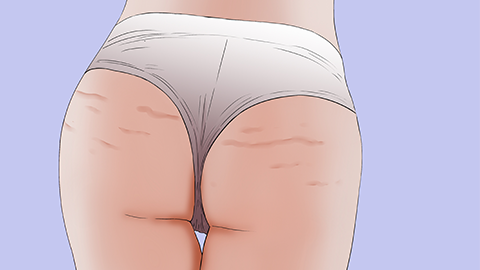
1. Poor local ventilation: Wearing tight, non-breathable clothing for prolonged periods prevents sweat from evaporating, creating a moist environment that irritates the skin and causes pain. Immediately switch to loose, breathable cotton clothing, avoid synthetic fiber pants, and use a breathable ice-silk cushion when sitting for long periods to maintain air circulation around the buttocks.
2. Improper cleaning method: Washing with excessively hot water or frequently using irritating cleansers can damage the skin barrier of the buttocks, leading to dampness and pain. Clean the buttocks daily with lukewarm water at about 37°C, without soap or other cleansing products. After washing, gently pat dry with a soft towel—avoid rubbing or friction.
3. Perianal eczema: Moisture and friction can trigger eczema on the perianal skin, manifesting as dampness, redness, and burning pain. Patients should follow medical advice to apply calamine lotion, desonide cream, or mometasone furoate cream, keep the perianal area dry, and avoid scratching to prevent skin damage.
4. Perianal folliculitis: Bacterial infection of hair follicles in the perianal region leads to red papules; inflammatory stimulation causes dampness and pain, sometimes accompanied by pus formation. Patients should use mupirocin ointment, fusidic acid cream, or compound polymyxin B ointment as directed by a physician. Avoid squeezing the lesions to prevent spreading the infection.
5. Anal fistula: Persistent discharge from an external fistula opening keeps the buttocks moist, causing long-term irritation and pain. The discharge is typically purulent or mucoid. Patients should take antibiotics such as cefaclor capsules, amoxicillin-clavulanate potassium tablets, or metronidazole tablets as prescribed to control infection. Surgical treatment via fistulectomy is required to remove the fistula tract and internal opening for complete cure.
Maintain a light diet, reduce intake of spicy and irritating foods, and consume more fiber-rich fruits and vegetables to ensure smooth bowel movements. After defecation, gently clean the area with warm water instead of vigorously wiping with toilet paper. Maintain regular sleep patterns to boost immunity and support recovery of the buttock skin and perianal tissues.


