


What causes itching and darkening on the inner sides of both hips?

Generally, darkening and itching on the inner sides of both hips may be caused by clothing friction, skin pigmentation, or conditions such as eczema, tinea cruris (jock itch), and acanthosis nigricans. If concerned, it is advisable to seek medical consultation promptly. The specific causes are analyzed as follows:
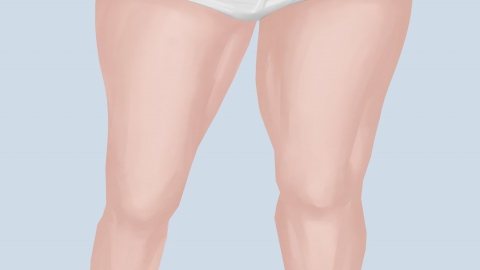
1. Clothing friction: Long-term wearing of tight or non-breathable clothing can cause repeated friction on the skin of the inner hip areas, stimulating melanocytes and leading to localized skin darkening. It is recommended to wear loose-fitting, cotton, breathable clothing to reduce skin irritation from friction.
2. Skin pigmentation: Localized skin inflammation, healing after injury, or endocrine disorders may disrupt normal skin pigment metabolism, resulting in darkened skin on the inner sides of the hips. Maintain skin cleanliness, avoid scratching, and consider using skincare products with whitening effects appropriately—ensure they are purchased from reputable sources.
3. Eczema: The moist and warm environment of the inner hip areas makes them prone to eczema, which manifests as red patches, papules, and blisters accompanied by intense itching. Repeated scratching can lead to skin thickening and post-inflammatory hyperpigmentation. Keep the area dry and clean, avoid scratching, and under professional guidance, use topical agents such as zinc oxide ointment, hydrocortisone butyrate cream, or tacrolimus ointment to relieve symptoms.
4. Tinea cruris (jock itch): A fungal infection affecting the skin of the inner hip regions causes ring-shaped red rashes with papules and blisters at the edges, along with itching. Chronic untreated cases may result in skin darkening due to pigmentation. Maintain personal hygiene and keep the area dry. Under professional advice, apply antifungal creams such as terbinafine hydrochloride cream, bifonazole cream, or miconazole nitrate cream to eliminate the fungus.
5. Acanthosis nigricans: This condition may be associated with genetic factors, obesity, or insulin resistance. It presents as velvety thickening of the skin on the inner hips, with pigmentation, deepened skin texture, and sometimes itching. Manage body weight and improve insulin resistance. Under professional guidance, apply topical treatments such as tretinoin cream, urea ointment, or salicylic acid ointment to soften the skin and alleviate symptoms.
In daily life, maintain clean and dry skin, wear loose clothing, and avoid scratching. Follow a balanced diet, control weight, and engage in regular physical activity. Perform routine skin examinations for early detection and timely treatment.


