


What causes yellowing of the toenail on the right big toe?

Generally, yellowing of the right big toenail may be caused by factors such as pigmentation, dye transfer from footwear, onychomycosis (fungal infection), nail dystrophy, or nail damage due to psoriasis. It is recommended to seek medical attention promptly, identify the underlying cause, and receive appropriate treatment under a doctor's guidance. Specific causes are analyzed below:
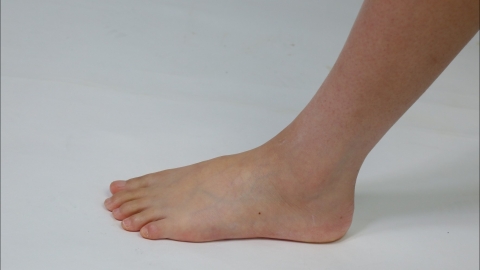
1. Pigmentation: Long-term exposure to dark substances or frequent application of dark nail polish can lead to pigment deposition on the nail surface, causing yellow discoloration. Discontinue contact with staining agents and avoid using nail polish. Soak the toes in warm water for 10 minutes daily and gently clean the nail surface with mild soap.
2. Dye transfer from shoes or socks: Wearing dark-colored socks or shoes that bleed dye can transfer color onto the nails, resulting in yellowing, often accompanied by skin staining matching the sock color. Switch to light-colored cotton socks and high-quality, non-bleeding shoes. Check the inside of shoes for any signs of dye loss before wearing. Keep feet dry.
3. Onychomycosis (fungal infection): Fungal infection of the right big toenail damages the nail plate structure, leading to thickening, yellowing, and powdery scaling. Patients should follow medical advice to apply antifungal medications such as terbinafine hydrochloride cream, bifonazole cream, or miconazole nitrate cream, continuing treatment until new healthy nail grows in.
4. Nail dystrophy: Deficiency in vitamin A, calcium, or protein leads to inadequate nutrition for nail growth, resulting in yellowing and brittleness. Adjust diet by consuming more carrots, eggs, milk, and other nutrient-rich foods. Take supplements such as vitamin AD drops, compound amino acid and vitamin tablets, or calcium gluconate oral solution as directed by a physician.
5. Nail damage due to psoriasis: When psoriasis affects the nails, nail plates may develop small pits, yellow discoloration, and in severe cases, separation of the nail from the nail bed. Patients should use prescribed treatments such as calcipotriol ointment, tacrolimus ointment, or acitretin capsules to control the condition. Phototherapy may be necessary in some cases to improve nail lesions.
Routinely avoid external pressure or trauma to the nails. Do not cut nails too short to prevent injury to the nail bed. After washing feet, thoroughly dry the spaces between toes to maintain foot dryness. Avoid sharing foot basins or slippers with others to prevent cross-infection and support recovery of healthy nail condition.


