


What should I do if my hair dye allergy causes pus and discharge?

Generally, pus discharge due to an allergic reaction from hair dye may result from irritation caused by dye ingredients, fragile skin barrier, contact dermatitis, secondary bacterial infection, or worsening of eczema. It is recommended to seek medical attention promptly, identify the underlying cause, and then improve the condition through general care, medication, and other treatments under a doctor's guidance. The specific analysis is as follows:
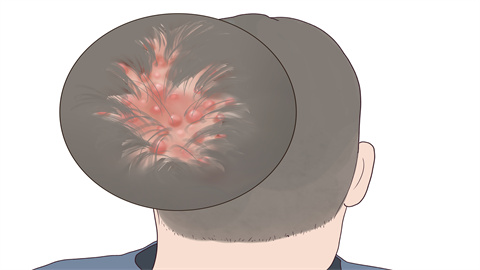
1. Dye ingredient irritation: Chemicals in hair dyes such as paraphenylenediamine (PPD) can directly irritate the scalp, triggering an allergic reaction, which may lead to pus discharge in severe cases. Immediately discontinue use of the dye and thoroughly wash the scalp and hair with lukewarm water to remove residual chemicals, using gentle motions during washing and avoiding scratching.
2. Fragile skin barrier: A thin stratum corneum or minor damage to the scalp compromises its barrier function, making it prone to allergic reactions and pus discharge upon exposure to hair dye. Avoid re-dyeing hair in the short term. Use mild, non-irritating shampoos in daily routines, and apply medical moisturizing lotions after shampooing to help repair the scalp's protective barrier.
3. Contact dermatitis: Allergic reactions to components in hair dyes can trigger contact dermatitis, causing redness, swelling, and itching of the scalp. Scratching may lead to skin breakdown and pus discharge. Patients may follow medical advice to take medications such as cetirizine hydrochloride tablets, loratadine capsules, or desonide cream to relieve allergy symptoms and inflammation.
4. Secondary bacterial infection: After an allergic reaction, broken skin on the scalp may allow bacteria such as *Staphylococcus aureus* to invade, leading to infection characterized by pus discharge and pain. In such cases, patients should follow medical instructions to use topical or oral antibacterial agents such as mupirocin ointment, fusidic acid cream, or cefuroxime axetil tablets to control the infection.
5. Worsening of eczema: Individuals with pre-existing scalp eczema may experience acute flare-ups triggered by hair dye irritation, resulting in erosion and pus discharge. Doctors may recommend medications such as mometasone furoate cream, tacrolimus ointment, or compound glycyrrhizin tablets. In severe cases, wet compress therapy may be used to reduce exudation.
Maintain a clean and dry scalp in daily life, and avoid scratching the affected area. Follow a light diet and reduce intake of spicy or irritating foods. Before future hair dyeing, perform a skin sensitivity test and choose mild, plant-based dyes to minimize the risk of allergic reactions.


