


Why is underarm hair always difficult to remove completely?
Nov 28, 2025
Source: Cainiu Health

Dr. Liu Wenmin
Introduction
In general, persistent incomplete removal of underarm hair may be caused by improper hair removal methods, failure to cover the full hair growth cycle, polycystic ovary syndrome, adrenal cortical hyperplasia, endocrine disorders, or other reasons. It is recommended to seek medical advice promptly, identify the underlying cause, and receive appropriate treatment under a doctor's guidance. After routine hair removal, maintain armpit hygiene and avoid using irritating skincare products.
Under normal circumstances, persistent difficulty in completely removing underarm hair may be caused by improper hair removal methods, incomplete coverage of the hair growth cycle, polycystic ovary syndrome (PCOS), adrenal cortical hyperplasia, or endocrine disorders. It is recommended to seek medical advice promptly, identify the underlying cause, and receive appropriate treatment under a doctor's guidance. A detailed analysis is as follows:
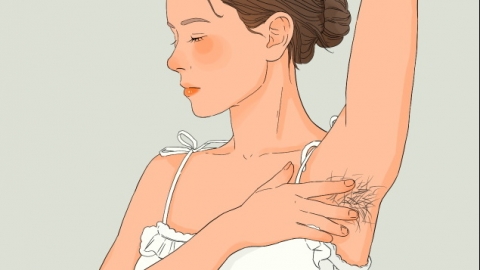
1. Improper hair removal method: Temporary methods such as shaving razors or depilatory creams only remove surface hair without damaging the hair follicles, leading to rapid regrowth. Switching to permanent methods like laser hair removal or ice-point hair removal can destroy hair follicles through photothermal effects. Multiple sessions according to a prescribed treatment plan are required for complete removal.
2. Incomplete coverage of the hair growth cycle: Underarm hair grows in phases—growth phase (anagen), regression phase (catagen), and resting phase (telogen). Conventional hair removal techniques only affect hairs in the growth phase, leaving those in the resting phase untreated. To achieve optimal results, follow professional recommendations and schedule treatments every 4–6 weeks to cover the full hair growth cycle.
3. Polycystic ovary syndrome (PCOS): Elevated levels of androgens in the body lead to thick, coarse, and abundant underarm hair that tends to regrow quickly after removal, often accompanied by menstrual irregularities. Patients should follow medical advice and take medications such as spironolactone tablets, ethinylestradiol cyproterone tablets, or metformin tablets to regulate hormone levels and suppress hair growth.
4. Adrenal cortical hyperplasia: Abnormal adrenal function leads to excessive androgen secretion, resulting in vigorous underarm hair growth that is difficult to remove completely, possibly accompanied by acne. Patients should take medications such as hydrocortisone tablets, dexamethasone tablets, or prednisone tablets under medical supervision to regulate adrenal function.
5. Endocrine imbalance: Stress, sleep deprivation, and other factors can disrupt hormonal balance, causing abnormal underarm hair growth. Patients may take vitamin B6 tablets, oryzanol tablets, or diethylstilbestrol tablets as directed by a physician, while also adjusting lifestyle habits, maintaining regular sleep patterns, and stabilizing emotional health.
After hair removal, maintain cleanliness of the underarm area and avoid using irritating skincare products. Choose reputable institutions for professional hair removal to minimize the risk of skin damage. Follow a light diet and reduce intake of high-sugar and high-fat foods to help maintain stable endocrine function.


