


What should be done if a girl develops acne on her buttocks?

In general, acne on the buttocks in females can be managed through daily care, dietary adjustments, medication, local skin care, and maintaining a regular作息 routine. Specific methods are analyzed as follows:
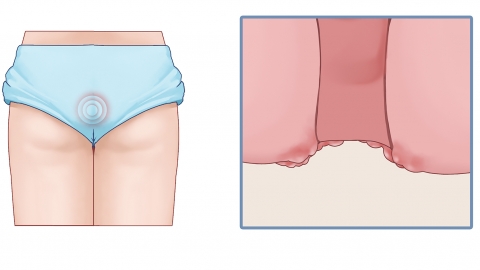
1. Daily Care
Maintain cleanliness and dryness of the buttocks. After each wash, gently pat the area dry with a soft towel to avoid friction that may irritate acne. Wear loose-fitting, breathable cotton clothing to reduce moisture and heat buildup on the skin, thereby lowering the risk of bacterial growth. Avoid prolonged sitting; stand up and move around regularly to improve blood circulation in the buttocks and enhance skin metabolism.
2. Dietary Adjustments
Reduce intake of high-sugar, high-fat, and spicy foods, as these can stimulate sebaceous gland secretion and worsen acne. Increase consumption of fresh vegetables, fruits, and whole grains to provide essential vitamins and dietary fiber, helping regulate body metabolism, support skin health, and reduce factors that trigger acne.
3. Medication
For mild cases, topical treatments such as adapalene gel or benzoyl peroxide gel may be used under medical guidance. When inflammation is evident, clindamycin phosphate gel can be applied topically. In some cases, oral medications like doxycycline tablets or isotretinoin capsules may be prescribed. All medications should be used only under professional supervision to ensure suitability for individual conditions.
4. Local Skin Care
Avoid squeezing acne lesions with hands to prevent follicular damage, secondary infection, or scarring. If itching occurs, apply cold compresses to relieve discomfort—do not scratch. Use gentle, non-irritating cleansers during bathing, avoiding strongly alkaline products that may disrupt the skin barrier.
5. Regular Sleep Schedule
Ensure adequate sleep and avoid staying up late, as sleep deprivation can lead to hormonal imbalances and abnormal sebum production. Maintaining a consistent daily routine helps stabilize endocrine function, creating favorable conditions for skin repair, promoting acne healing, and reducing the likelihood of recurrence.
In addition, individuals with underlying conditions such as diabetes, hyperthyroidism, or hypothyroidism should exercise extra caution when developing acne and are advised to seek medical attention promptly. If acne continues to worsen or presents symptoms such as pus formation or severe pain, immediate medical consultation is necessary to adjust treatment strategies.


