


What causes lice to grow under the armpits?

Under normal circumstances, lice in the armpits may be caused by inadequate hygiene, transmission through close contact, axillary hyperhidrosis (excessive sweating), skin breakage and infection, or secondary inflammation from pediculosis. It is recommended to seek medical attention promptly, identify the underlying cause, and receive symptomatic treatment under a doctor's guidance. Specific analyses are as follows:
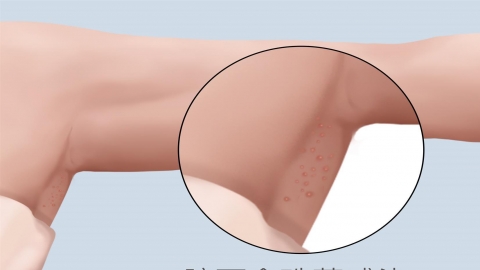
1. Inadequate hygiene: Accumulation of sweat and sebum in the armpits, if not cleaned regularly, creates a moist environment conducive to lice infestation. Wash the armpits thoroughly with warm water daily, dry them completely afterward, keep the area dry, and frequently change into breathable cotton clothing.
2. Transmission via close contact: Physical contact with an individual who has lice, or sharing clothes, towels, and other personal items, can transfer lice to the armpits. Immediately replace all clothing and disinfect them by boiling. Avoid sharing personal items with others, and individuals who have had contact should also undergo examination.
3. Axillary hyperhidrosis: Overactive sweat glands lead to persistent moisture in the armpits, providing favorable conditions for lice survival. Patients may apply antiperspirant medications such as aluminum chloride solution, methenamine solution, or formaldehyde solution topically as directed by a physician to reduce sweating.
4. Skin breakage and infection: Skin damage in the armpit area due to friction or scratching can allow lice to bite and cause infection, worsening discomfort. First eliminate the lice, then follow medical advice to apply antibacterial ointments such as mupirocin ointment, fusidic acid cream, or compound polymyxin B ointment to treat the infection.
5. Secondary inflammation from lice infestation: Prolonged parasitism and biting by lice can trigger inflammatory reactions in the armpit skin, such as redness and papules. Medical treatment is required to perform lice removal procedures to completely eradicate both lice and their eggs. After treatment, use anti-inflammatory topical agents such as desonide cream, mometasone furoate cream, or hydrocortisone butyrate cream as prescribed to alleviate inflammation.
In daily life, choose loose and breathable clothing to prevent prolonged heat and moisture buildup in the armpits. Regularly clean personal belongings and maintain a clean living environment. If lice recur, screen family members and close contacts for infestation and treat simultaneously to prevent cross-infection.


