


What are the possible causes of cracked corners of the mouth that have not healed for over a month?

Generally, if cracked corners of the mouth persist for over a month without improvement, possible causes may include dehydration, vitamin deficiency, bad habits, angular cheilitis, contact dermatitis, diabetes, and other factors. It is recommended to seek medical attention promptly, identify the underlying cause, and receive appropriate treatment under a doctor's guidance. Specific analyses are as follows:
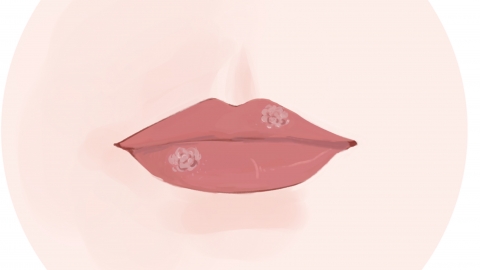
1. Dehydration and vitamin deficiency: Long-term insufficient water intake or picky eating can lead to deficiencies in vitamin B2 and vitamin C, reducing the mucosal repair capacity at the corners of the mouth. Ensure daily water intake of 1500–2000 mL, consume more vitamin-rich foods such as oranges, spinach, and eggs, and take oral multivitamin supplements as needed.
2. Irritation from bad habits: Frequently licking the lips or peeling off dead skin with hands damages the skin barrier at the corners of the mouth, making cracks difficult to heal. Discontinue these habits immediately. Apply non-irritating lip balm when lips feel dry, and avoid prolonged saliva exposure to the affected area.
3. Angular cheilitis: Inflammation caused by bacterial or fungal infection leads to cracked, oozing corners of the mouth. Patients should follow medical advice to apply topical medications such as erythromycin ointment, clotrimazole cream, or chlortetracycline hydrochloride ointment. Clean the corners of the mouth after eating and keep the area dry.
4. Contact dermatitis: Allergic reactions to fragrances or preservatives in lip balms or toothpaste can trigger inflammation and cracking at the corners of the mouth. Immediately discontinue suspected products, clean the area with warm water, follow medical instructions to take antihistamines such as cetirizine hydrochloride tablets, loratadine capsules, or ebastine tablets, and use medical skincare products with simple ingredients.
5. Diabetes: Poor blood glucose control reduces skin resistance, making wounds at the corners of the mouth prone to infection and slow healing. Patients must follow medical advice to manage blood sugar using insulin injection, gliclazide modified-release tablets, metformin tablets, etc., while enhancing care for the corners of the mouth to prevent secondary infections.
In daily life, avoid spicy or excessively hot foods to reduce irritation to the mouth corners. Speak and laugh gently to prevent worsening of cracks. Maintain a regular sleep schedule, avoid staying up late, strengthen immune function, and promote wound healing at the corners of the mouth.


