


Does a spider angioma appear as blood vessels first or as a red spot first?

Typically, spider angiomas first appear as a central red spot, followed by the gradual development of radiating blood vessels around it. If in doubt, it is advisable to seek medical consultation promptly. The detailed analysis is as follows:
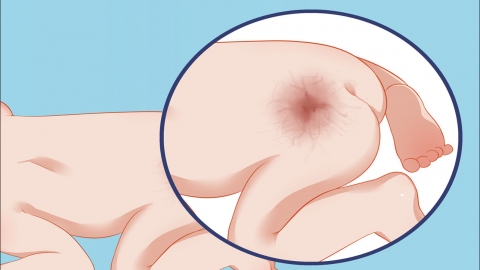
When a typical spider angioma forms, a small raised red dot—ranging in size from a pinhead to a grain of rice—first appears on the skin surface. This is the central arteriole affected by the lesion. As this small artery dilates, blood spreads outward into surrounding capillaries, gradually forming fine, radially distributed blood vessels. These tiny vessels surround the central red spot, resembling the legs of a spider. The overall shape becomes increasingly distinct, and when pressure is applied to the central spot, the surrounding blood vessels temporarily blanch.
In rare cases, the radiating blood vessels may appear almost simultaneously with the central red spot, although this is uncommon. Differences in individual skin conditions and the speed of vascular dilation can shorten the time interval between the appearance of the blood vessels and the red spot, making the sequence difficult to distinguish clearly. Nevertheless, even in such cases, the central red spot remains the core structure of the spider angioma, with all surrounding blood vessels arranged around it—a defining characteristic that does not change.
When a suspected spider angioma is noticed in daily life, one should carefully observe any changes in its appearance and avoid frequent irritation. If the number of spider angiomas increases or if other symptoms develop, prompt medical evaluation is recommended to determine the underlying cause before initiating targeted treatment.


