


What causes purple or black palms after drinking alcohol?

Generally, purple or dark discoloration of the palms after drinking alcohol may be caused by factors such as alcohol-induced blood vessel constriction, poor peripheral circulation, Raynaud's syndrome, anemia, or chronic obstructive pulmonary disease (COPD). It is recommended to seek medical attention promptly, identify the underlying cause, and receive appropriate treatment under a doctor's guidance. Specific analyses are as follows:
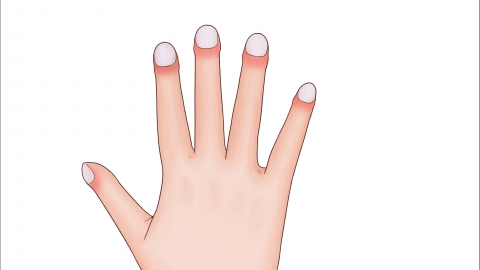
1. Alcohol-induced vasoconstriction: After entering the body, alcohol stimulates the sympathetic nervous system, causing intense constriction of the peripheral blood vessels in the palms, leading to impaired blood flow and abnormal skin color. Immediately stop drinking and soak both hands in warm water at about 40°C for 10 minutes to promote vasodilation and improve circulation, thereby relieving discomfort.
2. Poor peripheral circulation: Individuals with inherently weak circulatory function may experience worsened cardiac load after alcohol consumption, resulting in insufficient blood supply to the peripheral areas of the palms and subsequent discoloration. Avoid prolonged sitting after drinking; engage in moderate limb movement. Regular aerobic exercises such as jogging or brisk walking can enhance cardiopulmonary function and improve blood circulation.
3. Raynaud's syndrome: Alcohol may trigger vascular spasms. Upon exposure to stimuli, the palms may first turn pale, then become purple or black, accompanied by numbness and tingling. Patients should follow medical advice to use medications such as nifedipine sustained-release tablets, diltiazem hydrochloride tablets, or reserpine tablets. After drinking, keep hands warm and avoid contact with cold water.
4. Anemia: Insufficient hemoglobin levels lead to hypoxia in the palms after alcohol metabolism consumes oxygen, resulting in a purplish-black appearance. Patients should take iron supplements such as ferrous succinate tablets, ferrous fumarate capsules, or compound ferrous sulfate and folic acid tablets as directed by a physician, and consume iron-rich foods like animal liver and lean meat.
5. Chronic obstructive pulmonary disease (COPD): Impaired lung ventilation combined with further deterioration of respiratory function after drinking leads to decreased blood oxygen saturation and palm discoloration. Patients should use medications such as salbutamol aerosol, budesonide/formoterol powder inhaler, or tiotropium bromide powder inhaler as prescribed. In severe cases, lung volume reduction surgery may be considered to improve pulmonary ventilation.
In daily life, strictly control alcohol intake and avoid drinking on an empty stomach or excessive drinking. Regular health check-ups should be conducted to monitor indicators such as complete blood count and lung function. When palm discoloration occurs, avoid rubbing or pressing the area; instead, alleviate symptoms through warmth and rest to minimize secondary vascular damage.


