


Why is an elderly person's hand so itchy that it has become raw from scratching?

Generally, when elderly individuals experience severe itching to the point of skin damage, it may be caused by factors such as skin aging and dryness, contact with irritants, eczema, hand fungus (tinea manuum), or diabetic peripheral neuropathy. It is recommended to seek medical attention promptly, identify the underlying cause, and receive symptomatic treatment under a doctor's guidance. Specific causes are analyzed as follows:
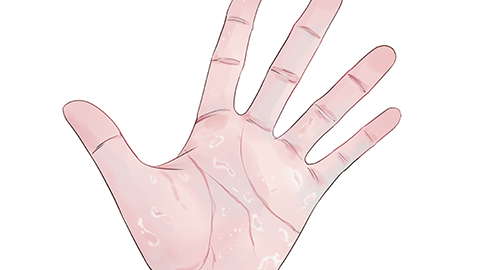
1. Skin aging and dryness: With age, sebaceous glands in the elderly atrophy, reducing the skin’s ability to retain moisture, which leads to dryness and itching. Excessive scratching can easily cause skin damage. Wash hands daily with lukewarm water around 37°C, immediately apply vitamin E cream after drying, wear loose cotton gloves to protect the hands, and avoid frequent handwashing.
2. Contact with irritants: Elderly skin is sensitive and prone to irritation and itching after exposure to soap, laundry detergent, or similar substances. Always wear waterproof gloves when doing household chores, switch to phosphate-free and mild cleaning products, and rinse hands thoroughly with clean water after contact.
3. Eczema: Reduced immunity in older adults makes them susceptible to eczema, characterized by redness, intense itching, and oozing lesions from scratching. Patients should use medications such as desonide cream, mometasone furoate cream, or hydrocortisone butyrate cream as prescribed. Cover broken areas gently with sterile gauze.
4. Hand fungus (tinea manuum): Fungal infection causes intense itching and is highly contagious; scratching worsens skin damage. Patients may use antifungal creams such as ketoconazole cream, terbinafine hydrochloride cream, or miconazole clobetasol cream as directed by a physician. Use separate towels to prevent cross-infection.
5. Diabetic peripheral neuropathy: Poor blood sugar control damages nerves, leading to abnormal sensations and itching in the hands, with wounds that heal poorly after scratching. Patients should manage blood glucose using insulin injection, gliclazide sustained-release tablets, or metformin tablets as prescribed, and take mecobalamin tablets to support nerve health.
Routinely trim elderly individuals’ fingernails evenly to prevent sharp nails from worsening skin injuries. Maintain appropriate indoor humidity and avoid exposing their skin to irritating materials such as wool or synthetic fibers. Follow a light diet and consume more protein-rich foods to promote skin repair.


