


What causes facial pigmentation spots in a 36-year-old woman?

Generally, facial pigmentation in a 36-year-old woman may be caused by factors such as ultraviolet (UV) exposure, hormonal fluctuations, melasma, post-inflammatory hyperpigmentation, or endocrine disorders. It is recommended to seek timely medical evaluation to determine the underlying cause and receive appropriate treatment under a doctor's guidance. Detailed analysis is as follows:
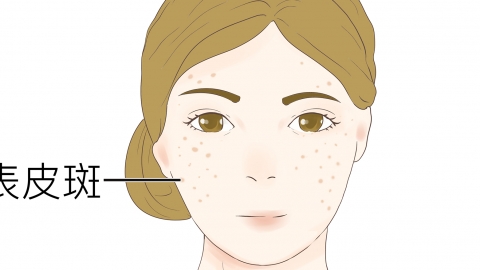
1. UV Exposure: At age 36, women experience decreased skin repair capacity. Prolonged sun exposure increases melanocyte activity, leading to sunspots. Apply sunscreen with SPF 30+ and PA+++ when outdoors, wear wide-brimmed hats and use umbrellas, and avoid prolonged sun exposure between 10 a.m. and 4 p.m.
2. Hormonal Fluctuations: Changes in estrogen levels due to childbirth, menstrual irregularities, or high stress can stimulate melanin deposition and lead to pigmentation. Maintain a regular sleep schedule, avoid staying up late, reduce stress through yoga or meditation, and focus on staying warm and emotionally balanced during menstruation.
3. Melasma: Associated with genetics and hormones, melasma appears as symmetrical brown patches on the cheeks and is common in women around age 36. Patients may use topical medications such as hydroquinone cream, azelaic acid cream, or tretinoin cream as prescribed, along with oral vitamin C supplements to help fade pigmentation.
4. Post-inflammatory Hyperpigmentation: Pigmented spots may remain after inflammatory conditions like acne or allergic reactions have resolved. Avoid squeezing acne lesions and treat inflammation promptly. As directed by a physician, topical agents such as asiaticoside cream, compound arbutin cream, or niacinamide gel may be used to promote pigment metabolism.
5. Endocrine Disorders: Conditions such as thyroid dysfunction or polycystic ovary syndrome (PCOS) can disrupt hormonal balance and trigger pigmentation. Patients should take medications such as levothyroxine sodium tablets, ethinylestradiol/cyproterone acetate tablets, or spironolactone tablets as prescribed to regulate hormones. In severe cases, laser therapy may be considered to break down melanin particles.
In daily life, choose gentle skincare products and avoid frequent exfoliation. Eat more fruits and vegetables rich in vitamin C, such as oranges and strawberries, and reduce intake of spicy and high-sugar foods. Maintain a positive mood and engage in regular physical activity to improve blood circulation and support the improvement of pigmentation.


