


What causes facial pigmentation spots at the age of 43?

Generally, the appearance of facial spots at age 43 may be caused by factors such as ultraviolet (UV) exposure, hormonal changes, melasma, seborrheic keratosis, or post-inflammatory hyperpigmentation. If discomfort occurs, it is recommended to seek timely medical evaluation and treatment at a reputable hospital. Specific causes are analyzed as follows:
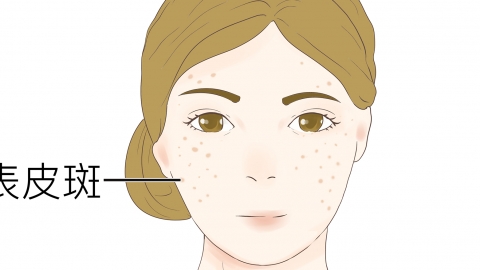
1. UV Exposure
Prolonged sun exposure stimulates melanocytes, increasing melanin production and deposition, which leads to pigmentation. Apply sunscreen daily, wear sun-protective hats, and use umbrellas to reduce direct UV exposure. Choose sunscreen products with SPF 30+ and PA+++ or higher protection levels.
2. Hormonal Changes
At age 43, women often experience ovarian function decline, resulting in fluctuating and decreasing estrogen levels. This endocrine imbalance disrupts melanin metabolism and triggers pigmentation. Maintain a regular sleep schedule, avoid staying up late, consume more soy products to supplement plant-based estrogens, and manage emotional stability to minimize hormonal fluctuations.
3. Melasma
Caused by a combination of genetic predisposition and hormonal changes, melasma presents as symmetrical light brown patches on the face, which worsen after sun exposure. Treatments may include hydroquinone cream, tretinoin cream, or tranexamic acid tablets under medical supervision, along with laser therapy. Avoid medications that may trigger hormonal fluctuations.
4. Seborrheic Keratosis
Skin aging leads to abnormal proliferation of keratinocytes, forming rough-surfaced brown or black plaques. Treatment options include topical tretinoin cream or fluorouracil ointment under medical guidance, or procedures such as cryotherapy and carbon dioxide laser ablation. Avoid repeated friction or irritation of the lesions.
5. Post-inflammatory Hyperpigmentation
After inflammatory skin conditions such as acne or eczema resolve, localized overactivity of melanocytes may leave dark spots. Under medical advice, treatments may include azelaic acid cream, centella asiatica glycoside cream, or oral vitamin C. Avoid scratching inflamed areas and practice strict sun protection during active inflammation.
In daily life, consistently apply sun protection; maintain clean skin using gentle skincare products; follow a regular sleep schedule and balanced diet; avoid squeezing pimples to reduce inflammation and lower the risk of developing pigmentation.


