


What does it mean when there are red bleeding spots on the feet?

Generally, red bleeding spots on the feet may be caused by external compression, friction from shoes or socks, allergic purpura, thrombocytopenic purpura, or tinea pedis (athlete's foot) with secondary infection. If discomfort occurs, it is recommended to seek timely medical evaluation and treatment at a reputable hospital. Specific causes are analyzed as follows:
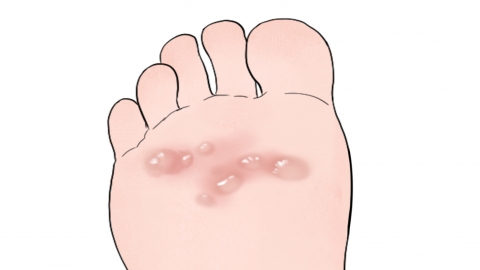
1. External Compression
During walking or exercise, the foot may suffer external impact or pressure, causing capillaries to rupture and bleed, resulting in small red spots. Immediately stop strenuous activity, elevate the foot to promote circulation, apply cold compress within the first 24 hours to control bleeding, and later use warm compresses to accelerate absorption of the bruising.
2. Friction from Shoes or Socks
Wearing tight or rough-textured footwear can cause prolonged friction against the skin, leading to capillary damage and bleeding beneath the surface. Switch to loose, breathable cotton socks and comfortable shoes, avoid prolonged walking, and apply moisturizing cream to protect the skin barrier.
3. Allergic Purpura
After exposure to an allergen, abnormal immune activation attacks capillaries, increasing their permeability and causing red bleeding spots. As directed by a physician, medications such as loratadine tablets, vitamin C tablets, and rutin tablets may be used. Avoid known allergens and rest in bed to prevent fatigue.
4. Thrombocytopenic Purpura
Reduced platelet count or impaired platelet function leads to poor blood clotting, resulting in spontaneous skin bleeding and red spots. Under medical guidance, drugs such as prednisone tablets, leucogen tablets, and aminopeptidase tablets may be prescribed. Avoid vigorous exercise to prevent injury and bleeding.
5. Tinea Pedis with Secondary Infection
Fungal infection causes athlete’s foot; scratching damages the skin and leads to secondary bacterial infection, with inflammation triggering capillary rupture and bleeding. During the infection phase, follow medical advice to use mupirocin ointment, itraconazole capsules, and cefradine capsules. After recovery, continue using bifonazole cream regularly to prevent recurrence.
In daily life, choose well-fitting and comfortable footwear; keep feet clean and dry, avoiding damp environments; avoid contact with suspected allergens; undergo regular health checkups including complete blood counts; and if bleeding spots appear, avoid scratching and promptly identify the underlying cause for appropriate management.


