


Can toe web maceration, peeling, and itching heal on their own?

Generally, cracked, peeling, and itchy skin between the toes does not resolve completely on its own. If abnormalities occur, prompt medical attention is recommended. Detailed analysis is as follows:
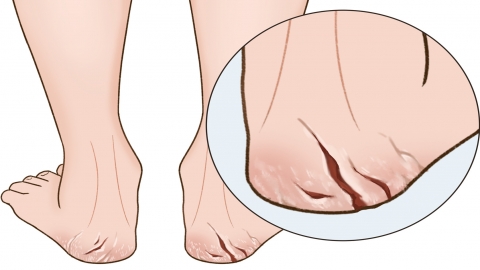
These symptoms are often caused by fungal infections, such as *Trichophyton rubrum*. Fungi multiply rapidly in warm, moist environments, damaging the skin's keratin layer and leading to epidermal shedding, erosion, and intense itching. Without timely intervention, the infection may spread to other body areas or be transmitted to others, and symptoms may worsen over time, developing into blisters, oozing, or even secondary bacterial infections.
In rare cases, symptoms may be related to localized moisture, friction, or allergic reactions—such as wearing non-breathable footwear for extended periods or exposure to irritants. Although these conditions may initially cause milder symptoms, prolonged dampness can still exacerbate skin damage, creating a vicious cycle. Relying solely on the skin’s natural healing ability is insufficient to eliminate fungi or improve the local environment, making recurrence likely.
Daily care should include keeping feet clean and dry, wearing breathable shoes and socks, and avoiding sharing foot-washing items with others. If symptoms persist beyond one week or are accompanied by odor or pus, seek immediate medical evaluation for fungal testing. Accurate diagnosis followed by proper treatment is essential to prevent chronic or prolonged infection.


