


Why do small bumps appear when the hand is frozen?

Generally, small bumps on the hands caused by cold exposure may result from factors such as low-temperature-induced blood vessel constriction, compromised skin barrier, chilblains, cold urticaria, or Raynaud's phenomenon. It is recommended to seek timely medical attention to determine the underlying cause and receive appropriate treatment under a doctor's guidance. Detailed explanations are as follows:
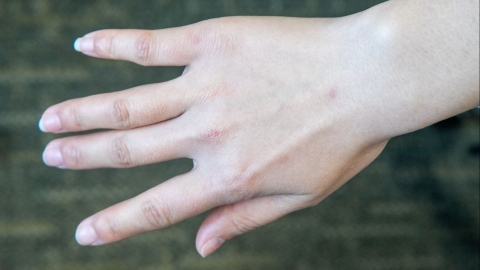
1. Low-temperature-induced blood vessel constriction: Cold stimulation causes intense constriction of blood vessels in the hands, leading to impaired circulation, tissue hypoxia and ischemia, and subsequent inflammatory reactions that form red bumps. Immediately leave the cold environment, soak both hands in warm water at 37–40°C for 10 minutes, dry thoroughly, apply chilblain ointment, and wear lined waterproof gloves to keep warm.
2. Compromised skin barrier: The stratum corneum on the hands is thin and the skin’s protective function is weak, making it easily damaged by cold, allowing external irritants to trigger bumps. Regularly apply hand creams containing ceramides; apply a thicker layer before going outdoors. Avoid using soap-based hand cleansers to reduce skin irritation.
3. Chilblains: Prolonged cold exposure leads to persistent vasospasm in the hands, causing tissue ischemia, necrosis, and inflammation, manifesting as red, swollen bumps with significant itching upon warming. Avoid scratching to prevent ulceration. Follow medical advice to use topical medications such as chilblain ointment, vitamin E cream, or heparin sodium cream. Wearing cotton gloves before bedtime can help enhance medication absorption.
4. Cold urticaria: Cold triggers an allergic skin reaction, causing mast cells to release histamine, resulting in hive-like bumps accompanied by severe itching. Quickly move to a warm environment. As directed by a physician, take oral antihistamines such as loratadine tablets, cetirizine hydrochloride drops, or ebastine tablets, and use calamine lotion topically to relieve itching.
5. Raynaud's phenomenon: Dysfunction of vascular nerves causes spasm and occlusion of small digital arteries in response to cold, leading to initial pallor followed by cyanosis, along with painful small bumps. Maintain overall body warmth, avoid contact with cold water, and follow medical instructions to take medications such as nifedipine tablets, reserpine tablets, or tolazoline tablets.
In daily life, consume more protein-rich foods like lean meat and soy products to strengthen physical health. Perform regular hand massages to promote blood circulation. When going outdoors, wear layered gloves—cotton inner gloves to absorb sweat and windproof, waterproof outer gloves—to reduce the risk of frostbite.


