


What causes excessive dead skin on the feet?

Generally, excessive dead skin on the feet may result from prolonged friction and pressure, dry and dehydrated skin, athlete's foot (tinea pedis), hyperkeratotic eczema, or ichthyosis. It is recommended to seek medical advice promptly to determine the underlying cause and receive appropriate treatment under a doctor's guidance. Detailed analysis is as follows:
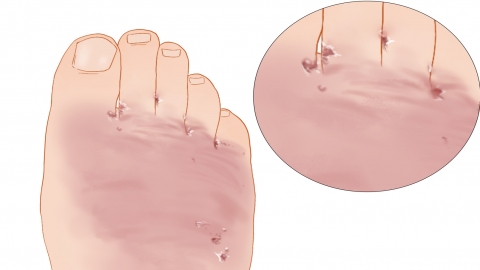
1. Prolonged friction and pressure: Wearing ill-fitting shoes or frequent walking can lead to continuous rubbing and compression of the foot skin, causing thickening of the stratum corneum and formation of dead skin, commonly seen on the heels and soles. Switch to loose, breathable, soft-soled shoes, avoid prolonged standing or walking, soak feet in warm water around 40°C for 10 minutes each night, and gently remove dead skin using a dedicated foot file.
2. Dry and dehydrated skin: In dry climates or due to insufficient daily water intake, the feet have fewer sebaceous glands and lose moisture quickly, leading to dry, accumulated stratum corneum. Drink adequate amounts of warm water daily, and immediately apply moisturizers such as petroleum jelly, urea-vitamin E cream, or lanolin ointment after soaking. Wearing cotton socks afterward can enhance absorption.
3. Athlete's foot (tinea pedis): A fungal infection of the foot skin causes abnormal thickening of the stratum corneum, resulting in hard, thickened dead skin accompanied by flaking, itching, and sometimes odor. Keep feet dry, avoid sharing slippers with others, and use antifungal medications such as clotrimazole cream, terbinafine hydrochloride cream, or bifonazole cream as directed by a physician.
4. Hyperkeratotic eczema: Inflammation triggered by genetic factors or contact with irritants like detergents or metals leads to rough, thickened skin on the feet, with excessive dead skin and accompanying itchiness. Avoid known irritants, wear waterproof gloves when doing household chores, and use medications such as urea ointment, desonide cream, or tacrolimus ointment as prescribed.
5. Ichthyosis: A hereditary condition causing abnormal keratin metabolism, leading to dry, rough skin on the feet with dead skin peeling in fish-scale-like patterns, typically worsening in winter. Avoid frequent exfoliation; follow medical advice to use tretinoin cream, urea-vitamin E cream, or adapalene gel to soften the stratum corneum and promote normal turnover.
In daily life, choose absorbent cotton socks and wash and change them regularly. Increase dietary intake of vitamin A-rich foods such as carrots and animal liver. Avoid using sharp tools to scrape off dead skin to prevent skin damage and potential infections. Proper scientific foot care can significantly improve skin condition.


