


What causes small bumps to appear on the thigh?

Generally, the appearance of small bumps on the thigh may be caused by friction irritation, dry skin with keratinization, folliculitis, eczema, tinea cruris (jock itch), or other reasons. It is recommended to seek medical attention promptly, identify the underlying cause, and receive appropriate treatment under a doctor's guidance. Specific analyses are as follows:
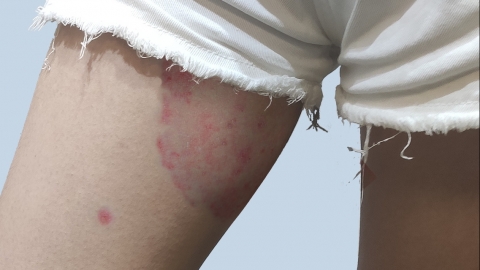
1. Friction irritation: Long-term wearing of tight synthetic clothing can lead to repeated friction on the thigh skin, causing thickening of the stratum corneum and forming granular bumps accompanied by slight roughness. Immediately switch to loose, breathable cotton clothing, avoid prolonged sitting, reduce friction between thighs, and apply a gentle moisturizing lotion after bathing to soften the keratin.
2. Dry skin with keratinization: In dry climates or due to insufficient water intake, moisture loss from the thigh skin leads to abnormal accumulation of keratin, resulting in tiny bumps. Drink 1500–2000 mL of warm water daily, keep bath water temperature around 37°C, and avoid using strong exfoliating products.
3. Folliculitis: Infection of hair follicles by *Staphylococcus aureus* causes red small bumps on the thighs, sometimes accompanied by mild itching or pain, with possible white pustules at the tips. Avoid squeezing the bumps, maintain local cleanliness, and use medications such as mupirocin ointment, fusidic acid cream, or compound polymyxin B ointment as directed by a physician.
4. Eczema: Inflammation triggered by genetic factors or contact with allergens such as detergents or pollen results in bumpy rashes on the thighs accompanied by redness and itching; scratching may lead to oozing. Avoid known allergens, wear pure cotton clothing, take antihistamines such as loratadine tablets, cetirizine hydrochloride drops, or ebastine tablets as prescribed, and use calamine lotion topically for itch relief.
5. Tinea cruris (jock itch): A fungal infection of the thigh skin that initially presents as small red bumps, gradually expanding into ring-shaped patches with significant itching and is contagious. Avoid sharing towels or clothing with others, keep the thigh area dry, and use antifungal creams such as clotrimazole cream, terbinafine hydrochloride cream, or bifonazole cream as directed by a physician.
In daily life, increase intake of foods rich in vitamin A and vitamin C, such as spinach and oranges. Avoid spicy and irritating foods to minimize skin irritation. When washing clothes, choose phosphate-free detergents and ensure garments are thoroughly dried during drying to support healthy skin recovery.


